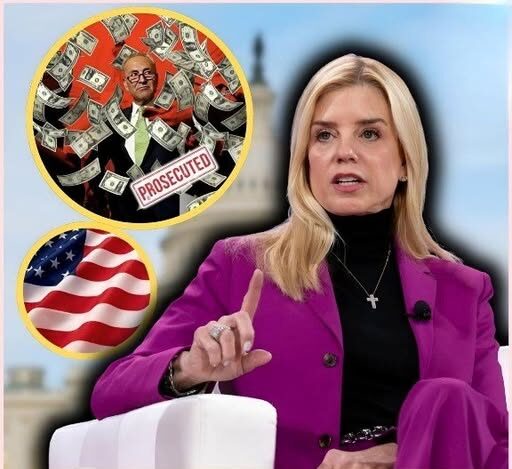
Beyond the courtroom, visible enforcement of anti-corruption laws reshapes culture. It encourages honest public service, dismantles the “hidden rules” of political kickbacks, and sets a precedent for future leaders. Sophisticated investigations—including tracking digital transactions and complex financial networks—show the public that the government has the tools to protect their money. Investing in these capabilities is investing in trust itself.
As we move further into 2026, transparency demands only grow. Digital tools make government spending more visible, while whistleblowers bring wrongdoing to light. The message is clear: no one is above the law. By maintaining the highest standards of prosecutorial integrity, leaders like Pam Bondi can keep the legal system a pillar of fairness in a fast-changing political world.
Democratic accountability is a constant mission. Every time a corrupt official is held responsible, it restores public trust and reinforces the principle that government belongs to the people. Public office is a duty, not a personal gain. Upholding this truth ensures that service—not self-interest—remains the hallmark of leadership.
What do you think is the most important step leaders can take to protect public trust? Share your thoughts in the comments below!