A Difficult Childhood
Tressa Middleton was born in 1994 and grew up in West Lothian. From a young age, her home life was unstable. When she was four, she entered foster care after her family struggled with housing insecurity and financial hardship.
Although foster care provided some structure, her early years remained challenging. She later described growing up in environments where adult supervision and emotional support were inconsistent. When she eventually returned to live with her mother, the household continued to face poverty and limited resources, including difficulties maintaining basic living conditions.
These early experiences created vulnerabilities that would later have serious consequences.
Becoming a Mother at a Very Young Age
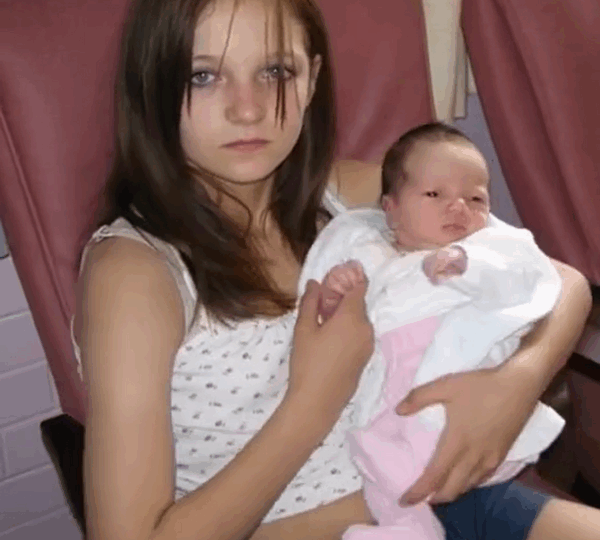
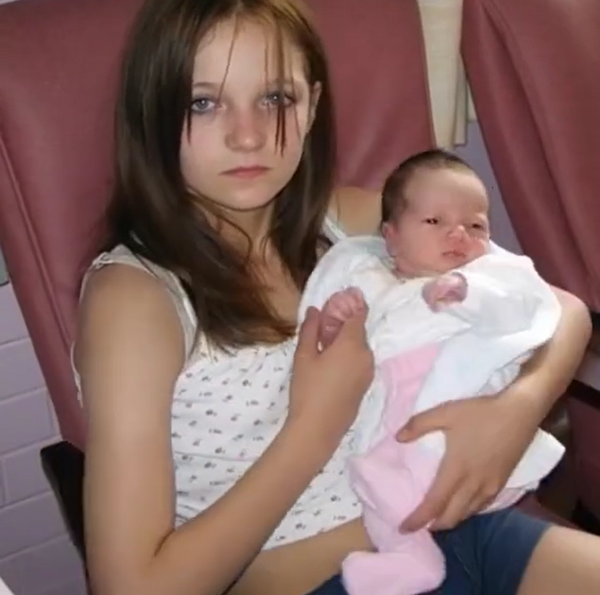
In 2006, Tressa gave birth to a daughter named Annie. At the time, public discussion focused heavily on her age, often without context. Because she was legally a child herself, the situation raised immediate safeguarding concerns.
Several years later, when she was older, Tressa disclosed the circumstances surrounding her pregnancy. Authorities investigated, and the individual responsible was later convicted under UK law, which treats any sexual activity involving children under 13 as a serious criminal offense.
This clarification reframed the public narrative—from one of shock to one of protection, accountability, and the importance of child welfare systems.
Media Attention and Emotional Impact

The intense media attention that followed the initial reports had a lasting emotional impact. Tressa later shared that the public scrutiny made an already traumatic situation more difficult, contributing to feelings of fear, isolation, and shame.
Rather than being given privacy and support, she found herself the subject of constant public discussion during a period when stability and care were most needed.
Loss, Mental Health, and Recovery
After her daughter Annie was placed for adoption, Tressa struggled with grief and unresolved trauma. In her late teens and early adulthood, she faced periods of poor mental health and substance misuse—challenges that are well documented among individuals who experience early trauma and loss.
Over time, she began the process of recovery, seeking stability and support while working through the long-term effects of her childhood experiences.
A New Chapter
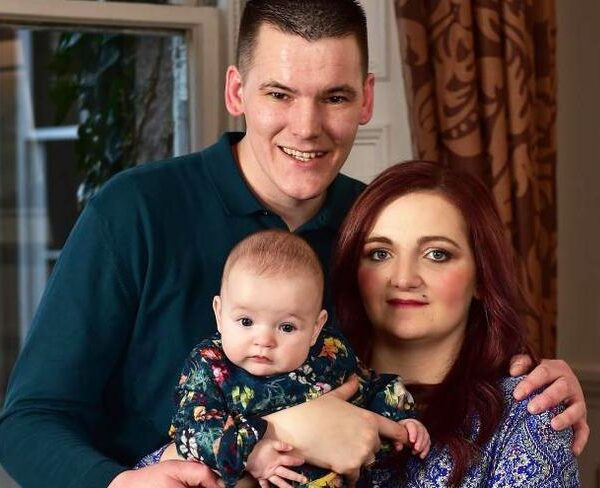
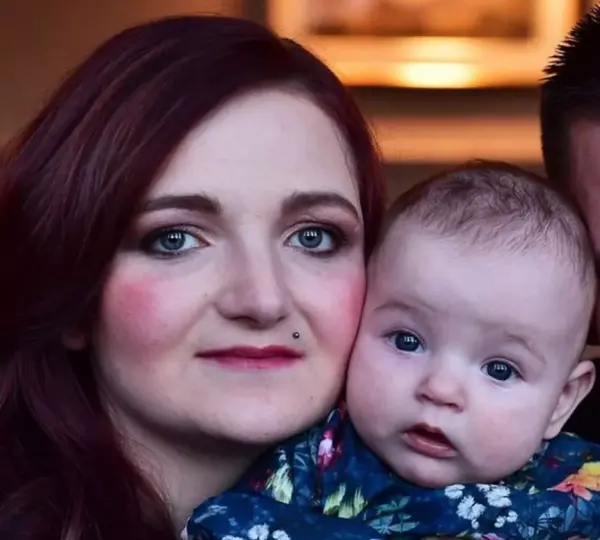
A significant turning point came when Tressa built a stable relationship and support system. In 2018, she welcomed another daughter, marking a new phase in her life focused on family, responsibility, and healing.
She has since spoken about the importance of honesty, noting that her children will grow up knowing their family history in an age-appropriate and respectful way.
Growth, Reflection, and Perspective
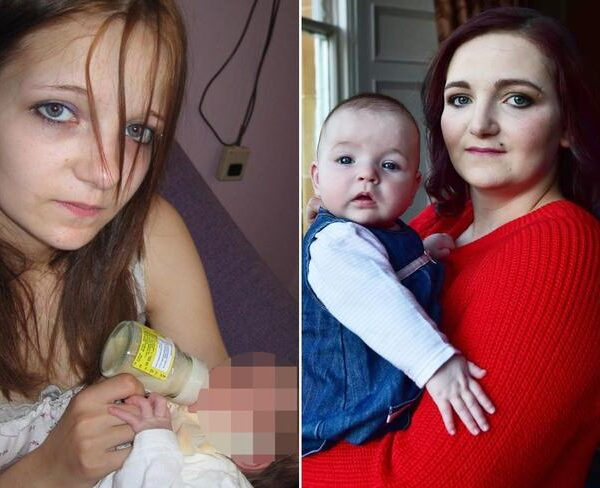
As an adult, Tressa has reflected openly on her past, emphasizing that healing is gradual and personal. She has spoken about choosing not to let anger define her future, focusing instead on emotional well-being and personal growth.
Her reflections highlight an important distinction: forgiveness and moving forward do not mean minimizing harm, but reclaiming control over one’s life and choices.
Life Today
Today, Tressa lives in Scotland with her family and has spoken publicly about her journey to help raise awareness about safeguarding, trauma, and recovery. She has shared her experiences through interviews and writing, aiming to encourage understanding rather than sympathy.
Her story has helped shift public perception—from seeing her as a headline to recognizing her as a person who endured early hardship and worked to rebuild her life.
Broader Lessons
Tressa Middleton’s experience underscores several important points:
- Sensational headlines often overlook the realities of vulnerability and safeguarding.
- Childhood trauma can have long-term effects that require time, support, and compassion to address.
- Recovery is rarely straightforward, but change is possible.
- Sharing lived experience can help others feel less alone and encourage more informed public discussion.
Conclusion
Tressa Middleton’s life cannot be defined by a single moment from her childhood. Her journey reflects the complexities of trauma, responsibility, and recovery—and demonstrates that with support and determination, it is possible to move forward.
Her story serves as a reminder that behind every headline is a human being, and that empathy and understanding are essential when discussing lives shaped by early adversity.