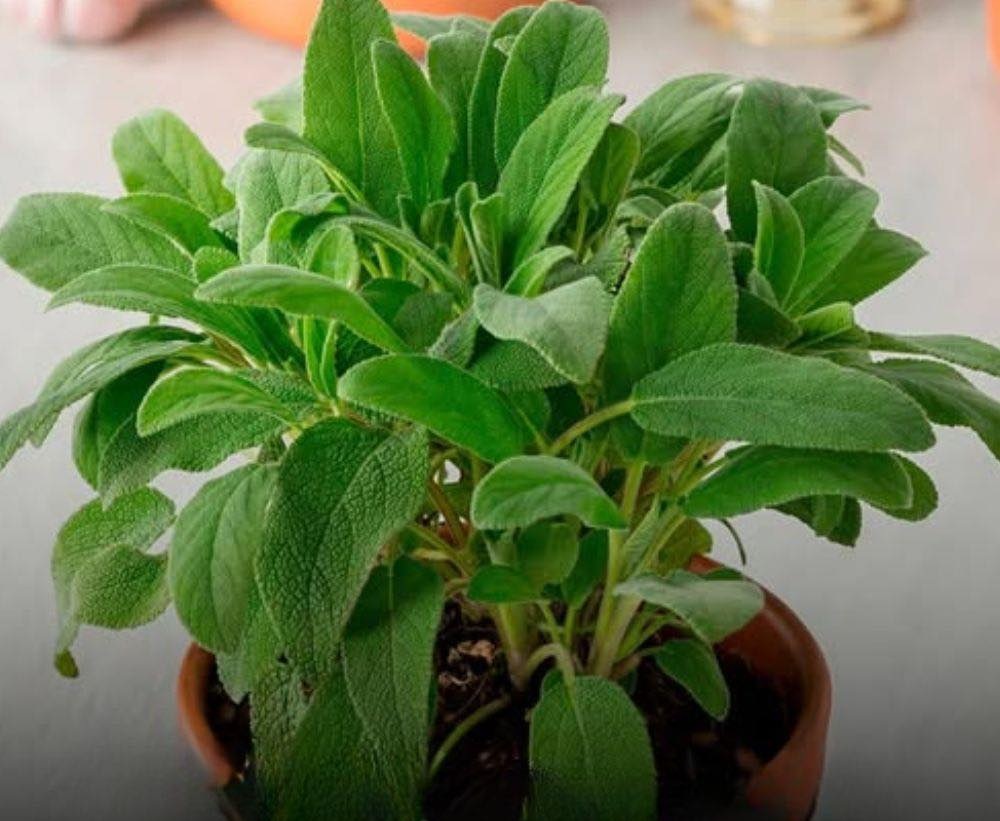
Used for centuries in cooking and traditional practices, sage has long been associated with wisdom and clarity. Today, scientific interest is helping explain why this aromatic plant may be particularly relevant for older adults.
Sage and Cognitive Support
Sage contains naturally occurring compounds that are linked to normal neurotransmitter activity in the brain. Some research suggests these compounds may help support processes related to memory and attention. As certain brain chemicals naturally decline with age, dietary components that support normal brain function may become increasingly valuable.
For adults over 60, including sage as part of a varied diet may help maintain mental alertness and concentration during everyday activities. While sage is not intended to treat or prevent cognitive conditions, it may complement a healthy lifestyle focused on brain wellness.
Antioxidants and Brain Protection
The brain is especially sensitive to oxidative stress, which increases over time. Oxidative stress occurs when free radicals outnumber antioxidants in the body, potentially affecting cells and normal aging processes.
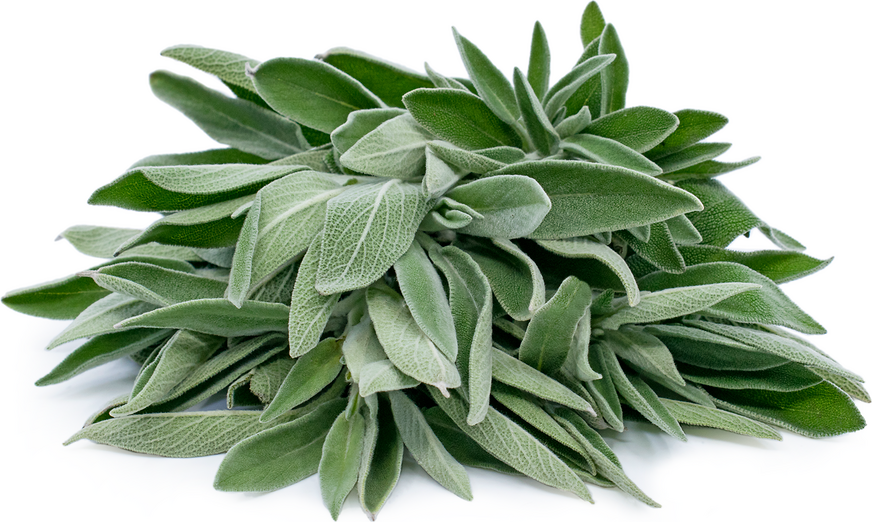
Sage is rich in antioxidants such as flavonoids and phenolic compounds. These substances help neutralize free radicals and support overall cellular health. For older adults, diets rich in antioxidant-containing foods are commonly associated with healthy aging patterns.
Supporting a Balanced Inflammatory Response
Low-grade inflammation is another factor often associated with aging. Sage contains plant compounds that support the body’s natural inflammatory balance. Maintaining this balance may contribute to overall comfort, energy levels, and cognitive function.
This benefit can be especially relevant for older adults, as inflammation is commonly linked with age-related changes throughout the body.
Mental Clarity and Daily Well-Being
In addition to memory-related support, sage has been associated with promoting a sense of calm focus. Some people report feeling mentally refreshed and more centered after consuming sage in moderate amounts.
A calm and attentive mindset can support daily independence, social interaction, and overall quality of life—important factors for healthy aging.
Ways to Include Sage in Daily Life
For adults over 60, sage can be enjoyed safely in simple culinary and lifestyle forms:
- Herbal tea: Lightly brewed sage tea, enjoyed occasionally
- Cooking: Adding sage to vegetables, soups, poultry, or fish
- Fresh or dried leaves: Used sparingly as a seasoning
Highly concentrated forms, such as essential oils or strong supplements, are generally not recommended unless advised by a healthcare professional, as sage naturally contains compounds that should be consumed in moderation.
Important Notes
Sage may not be suitable for everyone. Individuals with specific health conditions, those taking medications affecting the nervous system, or those with dietary restrictions should consult a qualified healthcare provider before making regular changes to their diet.
Final Thoughts
For adults over 60, sage offers a simple and familiar way to support brain health as part of a balanced lifestyle. Its antioxidant content, traditional use, and role in supporting mental clarity make it a valuable culinary herb with added wellness appeal. When enjoyed responsibly and in moderation, sage can be a thoughtful addition to healthy aging habits.