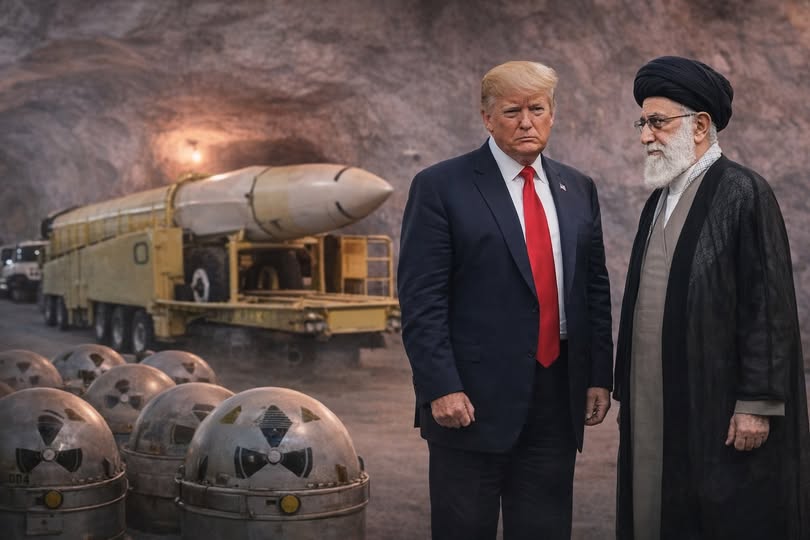
Deep Underground Military Infrastructure and the Evolving Missile Landscape
Beneath certain regions of the Middle East, there has been growing discussion among defense analysts about extensive underground military infrastructure designed to support long-term strategic deterrence. These facilities, often referred to in media and analysis as “missile cities,” are believed to be built deep within mountainous terrain and reinforced underground networks to increase resilience against aerial surveillance and potential strikes.
While exact details remain classified, open-source intelligence and satellite-based assessments suggest that these sites are structured to house storage areas, maintenance zones, and potential launch systems in highly protected environments. The purpose is widely understood to be survivability—ensuring operational capability even under extreme conflict scenarios.
A Focus on Strategic Deterrence
In recent years, attention has centered on the scale and diversity of missile-related capabilities attributed to the region. Analysts frequently cite a wide range of short- and medium-range systems as part of broader national defense strategies. These systems are generally viewed as tools of deterrence, intended to reduce vulnerability and influence regional balance rather than be deployed routinely.
Continue reading in the next page…