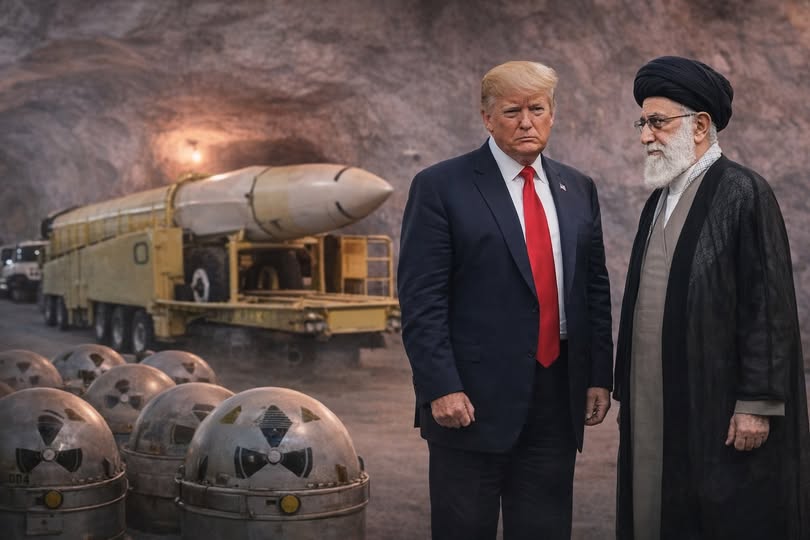
Reports from defense monitoring organizations estimate that inventories may include thousands of missile units across multiple categories, though exact figures vary significantly depending on the source and methodology.
Advancements in Range and Precision
A major area of focus in global defense discussions is the continued development of missile accuracy, propulsion systems, and range capabilities. Medium-range systems are often highlighted because they can influence strategic calculations across a broad geographic area.
At the same time, analysts note ongoing efforts to improve precision and reliability, which are increasingly seen as more significant than raw range alone in modern military planning.
Emerging Technologies: Drones and Cruise Systems
Alongside traditional missile programs, unmanned aerial systems have become a defining feature of modern warfare. Low-cost drone technologies, including loitering munitions, are widely recognized for their ability to be deployed in large numbers and for their relatively low production cost compared to advanced defense interceptors.
This shift has introduced new challenges for defense planners, who must now consider not only large ballistic systems but also smaller, more flexible platforms that can be used in coordinated operations.
Cruise missile development has also been widely reported across multiple countries in the region, with emphasis on low-altitude flight paths and improved navigation systems designed to reduce detectability.
Strategic Implications and Global Attention
The expansion of underground infrastructure and diversified missile technology reflects a broader global trend: the move toward hardened, distributed, and technologically adaptable military systems.
Defense analysts generally agree that such developments are intended to increase survivability and deterrence in the event of conflict. However, they also contribute to heightened regional tensions and ongoing international scrutiny.
Despite periodic claims of degradation due to external pressures or conflict, many experts believe that underground facilities and dispersed production networks make complete disruption difficult.
A Changing Security Landscape
As military technology continues to evolve, the global security environment is becoming increasingly complex. Traditional defense systems are now being tested against a combination of ballistic, cruise, and unmanned threats, requiring constant adaptation.
What emerges is not just a story about weapons systems, but about a broader shift in how nations prepare for uncertainty—prioritizing resilience, redundancy, and strategic depth.
Final Thought
Whether viewed through the lens of deterrence, security, or geopolitical stability, underground military infrastructure and modern missile development highlight one clear reality: the future of defense is increasingly shaped beneath the surface as much as above it.