In early March 2026, global tensions escalated to unprecedented levels, pushing the world dangerously close to a full-scale crisis. What began as strategic maneuvers in the Middle East quickly transformed into a high-stakes showdown with the potential to reshape the 21st century. At the heart of this upheaval lies the Strait of Hormuz, the world’s most critical energy corridor, now a flashpoint threatening global commerce and economic stability.
The crisis intensified following the reported death of Iran’s Supreme Leader, Ali Khamenei, a symbolic strike that shook Tehran and triggered vows of retaliation. In response, Iran attempted to close the Strait of Hormuz, effectively holding nearly 20% of the world’s daily oil supply hostage. This wasn’t just a tactical move—it was an economic declaration of war, sending shockwaves through global markets and driving oil prices to volatile highs.
U.S. Retaliation and Rising Tensions
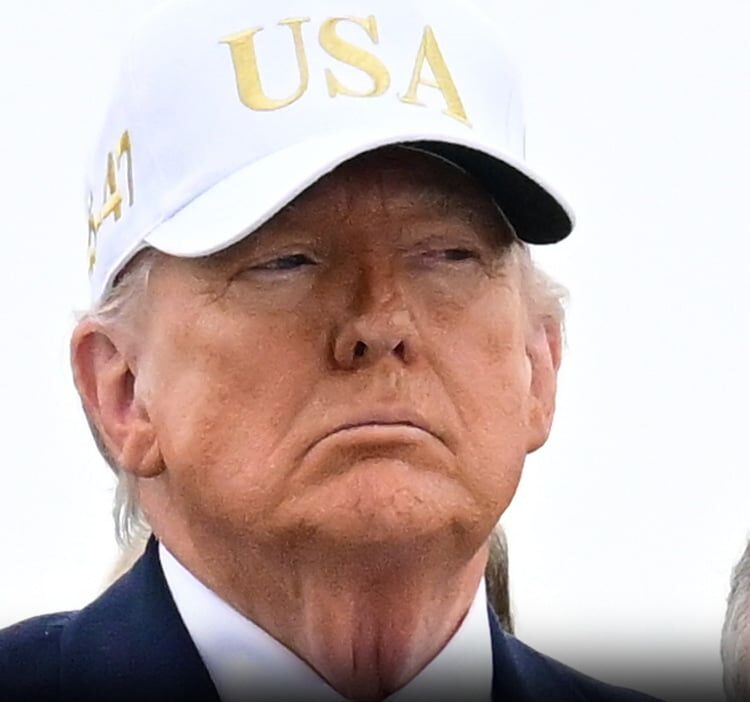
President Donald Trump, now in a second term, responded with uncompromising rhetoric, warning of a retaliatory force “twenty times more destructive” if oil flows remained disrupted. While aimed at deterring Iran, these statements narrowed the room for diplomacy, leaving little space between negotiation and full-scale escalation. Iran’s leadership, through Secretary Ali Ardashir Larijani, responded with a chilling personal warning to the U.S. President, invoking martyrdom and national resilience—a threat that dragged the standoff into the realm of personal risk for world leaders.
The Human and Economic Toll
Continue reading on next page…