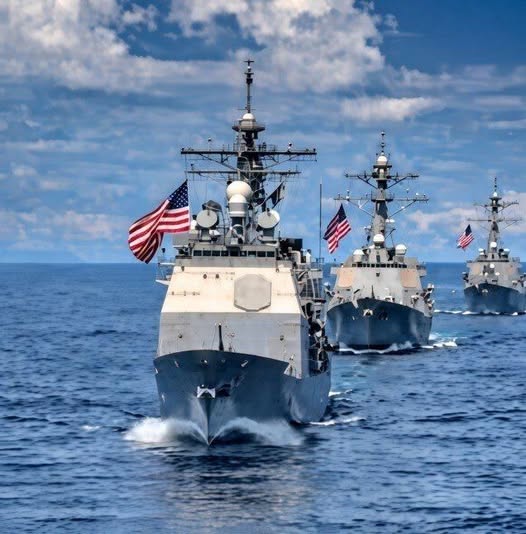
In late February 2026, the fragile balance of the Middle East shattered. On February 28, the United States and Israel launched a high-stakes coordinated strike deep inside Iran, marking the beginning of what has rapidly escalated into a multi-front war. Code-named Operation Epic Fury, the campaign targeted Iran’s military infrastructure, command centers, and air defenses across Tehran, Isfahan, and Qom. Initial reports claimed the death of Supreme Leader Ayatollah Ali Khamenei, instantly turning tactical strikes into a geopolitical earthquake with global repercussions.
The seeds of this conflict were decades in the making. In 2024 and 2025, drone skirmishes, missile exchanges, and Iranian-backed Houthi disruptions in the Red Sea pushed the region to a breaking point. U.S. and Israeli officials framed the February strikes as pre-emptive, citing Iran’s fast-developing missile and drone programs as an imminent threat to allies and global trade.
Rapid Military Escalation
Since the first salvos, the pace of conflict has been relentless. U.S.-Israeli forces deployed long-range bombers, carrier-based aircraft from the USS Abraham Lincoln, Tomahawk cruise missiles, and HIMARS Precision Strike Missiles to dismantle Iranian air defenses and missile sites. Iran retaliated with ballistic missiles and UAV swarms, striking Israeli cities and U.S. military bases across the Gulf, including Kuwait, Bahrain, Saudi Arabia, Qatar, and the UAE. While advanced air defenses intercepted many attacks, some missiles hit military and civilian infrastructure, causing casualties and disruption.
Humanitarian Toll
Continue reading on next page…