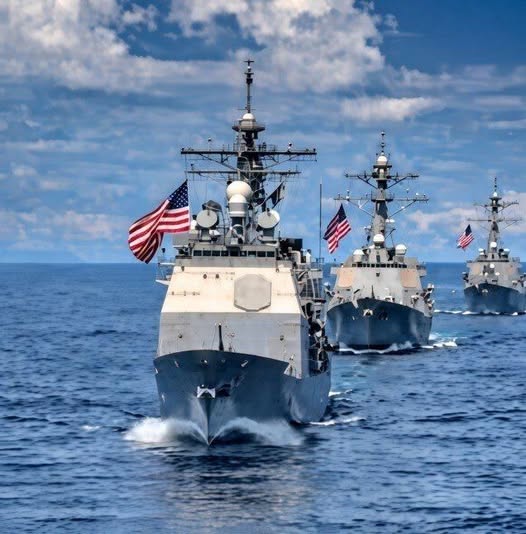
The human cost has been staggering. Urban airstrikes in Iran have left thousands of civilians dead or injured, while U.S. forces have suffered combat losses at Gulf bases. The war has also reignited regional hotspots: Hezbollah has exchanged fire with Israel in Lebanon, and U.S. troops face renewed clashes with Iranian-aligned militias in Iraq.
Economic Shockwaves
Globally, the conflict is sending shockwaves through markets. The Strait of Hormuz, a key energy chokepoint, has become a flashpoint, sending oil prices above $100 per barrel. International markets are volatile as investors fear prolonged disruptions. Europe struggles with internal divisions over defense and humanitarian response, while China calls for urgent ceasefires to prevent economic collapse.
Strategic Uncertainty
U.S. officials emphasize the campaign’s goal: weaken Tehran’s ability to project power via missiles and drones. However, references to “unconditional surrender” and the possibility of ground operations have left regional actors anxious. Gulf States are balancing alliances, security, and internal stability as the risk of wider regional collapse looms.
Humanitarian Crisis Looms
Disrupted airspace and targeted infrastructure have made aid delivery and civilian evacuation difficult. Refugee flows are growing, and the humanitarian toll is rising in Iranian cities and Gulf countries alike.
Global Stakes
Media narratives differ widely: some frame the strikes as strategic necessity, others highlight civilian casualties and legal concerns over pre-emptive warfare. This information battle is as fierce as the combat itself, shaping global opinion and policy. As the war enters its third week, the world faces a pivotal moment. Decisions made now will reshape global security for decades.
Stay Informed: Follow verified updates, heed official guidance, and be aware of the rapidly changing situation as the Middle East faces a crisis of historic proportions.