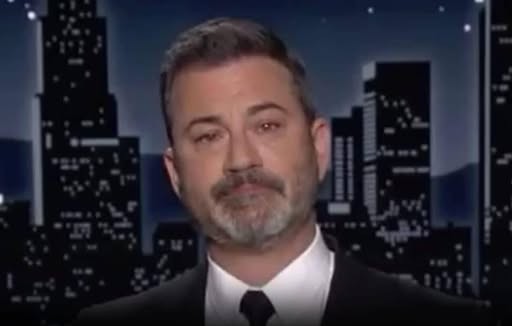
What unfolded on Jimmy Kimmel’s stage felt less like a typical late-night monologue and more like a moment of public reflection—one that blurred the line between comedy, commentary, and concern. Rather than relying on punchlines alone, he shifted into a more serious tone, listing groups of people he believed could be most affected by the outcomes of a closely watched political moment.
He spoke about immigrants navigating uncertain systems, patients dependent on healthcare access, seniors relying on stability, working families balancing rising costs, and international allies watching policy direction closely. Each reference carried a sense of consequence, framing political decisions not as abstract debates but as developments with real-world impact.
As he spoke, the studio audience reacted instinctively—applause rising at points of agreement, then settling into silence as the weight of the message became clearer. What might normally be delivered with humor or satire instead unfolded with restraint and seriousness, leaving a lingering tension in the room.
Observers later noted that the moment revealed more than just a political perspective; it exposed a layer of vulnerability. In stepping away from pure comedy, Kimmel appeared to acknowledge a broader concern about the direction of public discourse and the emotional stakes tied to it. The shift suggested a recognition that even entertainers who typically focus on levity are not entirely insulated from the anxieties shaping national conversations.
Keep reading…