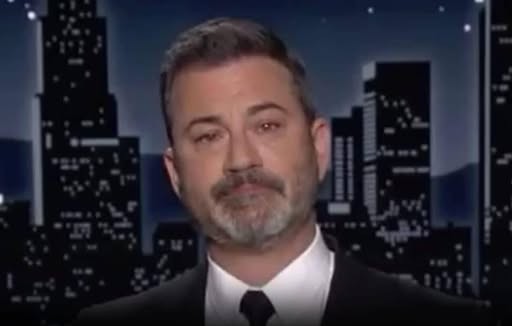
Reactions to the monologue were immediate and deeply divided, reflecting the same polarization seen across the country. Some critics argued that late-night television should remain a space for humor and entertainment, not extended political commentary. From their perspective, moments like this risk turning entertainment platforms into spaces of persuasion rather than relief.
Others, however, saw something different—a rare instance of unfiltered honesty in a media landscape often shaped by brevity and performance. To them, the monologue stood out precisely because it did not fully hide behind jokes. Instead, it acknowledged uncertainty, concern, and the emotional weight that often accompanies political change.
The contrast between expectation and execution is what gave the moment its lasting impact. Late-night television is typically designed to offer escape, a brief pause from daily pressures. Yet here, the format itself was used to highlight those very pressures, creating a moment that felt both familiar and unsettling.
In that sense, the monologue became more than just a televised segment. It turned into a snapshot of a broader cultural divide—one where humor, politics, and personal concern increasingly overlap in public spaces.
Whether viewed as a departure from tradition or a necessary reflection of current realities, the moment underscored how entertainment platforms are evolving alongside the societies they speak to.
What do you think—should late-night shows stay focused purely on comedy, or is there value in them reflecting serious political and social concerns as well?