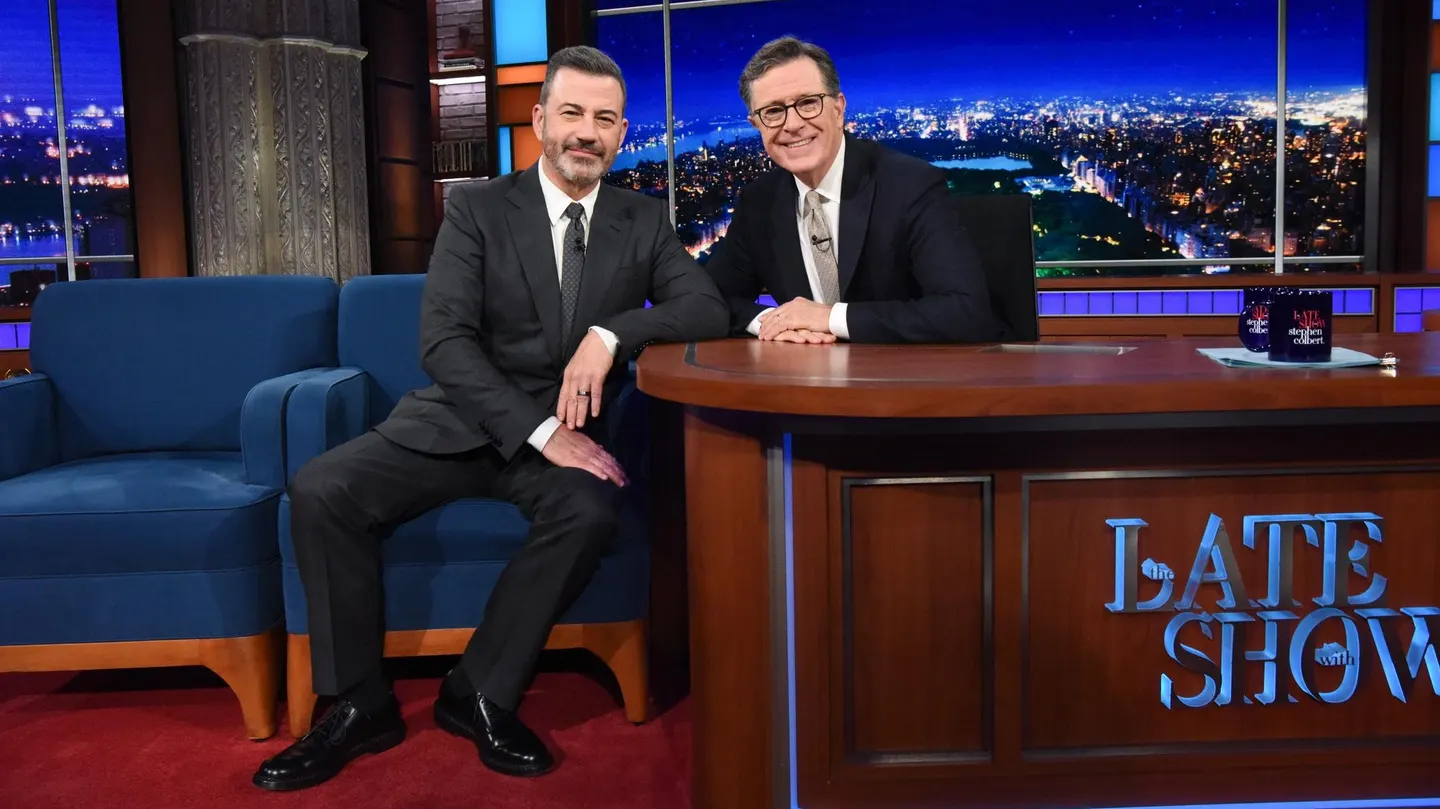
Kimmel Comments on the FCC Guidance
Jimmy Kimmel discussed the issue during his Thursday night monologue on ABC. He noted that the rule was originally created during the era when radio was the primary broadcast medium and later extended to television. Kimmel pointed out that late-night programs had been operating under an exemption for news programs since 2006, citing then-California Governor Arnold Schwarzenegger’s appearance on The Tonight Show.
Referring to FCC Chair Brendan Carr, Kimmel said the agency was “reinterpreting long-agreed-upon rules” and suggested the change could limit the appearance of certain political figures on talk shows. He also questioned the relevance of the rule at a time when broadcast television accounts for a smaller share of viewers compared with streaming and cable platforms.
Kimmel highlighted that networks such as Fox News, Newsmax, and One America News Network continue to provide extensive political coverage, noting that the landscape for political programming has shifted since the rule’s inception.
Stephen Colbert Weighs In
On The Late Show, Stephen Colbert also addressed the FCC’s guidance, telling viewers that it could affect what he and other hosts discuss about political candidates. Colbert described the change as a new development in the agency’s oversight of broadcast content.
He referenced media coverage labeling the move as a “crackdown on late-night TV” and joked about the potential implications for his own show. Colbert emphasized that the guidance applies to talk shows and expressed skepticism about its impact on programming decisions.
Understanding the FCC’s Equal Time Rule
The equal time provision is part of the Federal Communications Act. It requires broadcast networks to provide equal opportunities to political candidates who appear on entertainment programs. Historically, this has applied to shows like Saturday Night Live, late-night talk shows, and morning programs, with exemptions for bona fide news broadcasts.
The recent FCC notice clarified that certain talk shows, including late-night programs, would no longer automatically qualify as “news” for the purposes of the rule. Networks would need to ensure compliance if political candidates appear, potentially requiring additional airtime for opposing candidates.
Ongoing Discussion
The FCC guidance has sparked discussion about the role of entertainment programming in political coverage and how the equal time rules are applied in a changing media environment. Broadcasters and hosts are assessing the potential implications, while the public and media observers continue to debate how the policy may affect programming choices and political exposure on television.