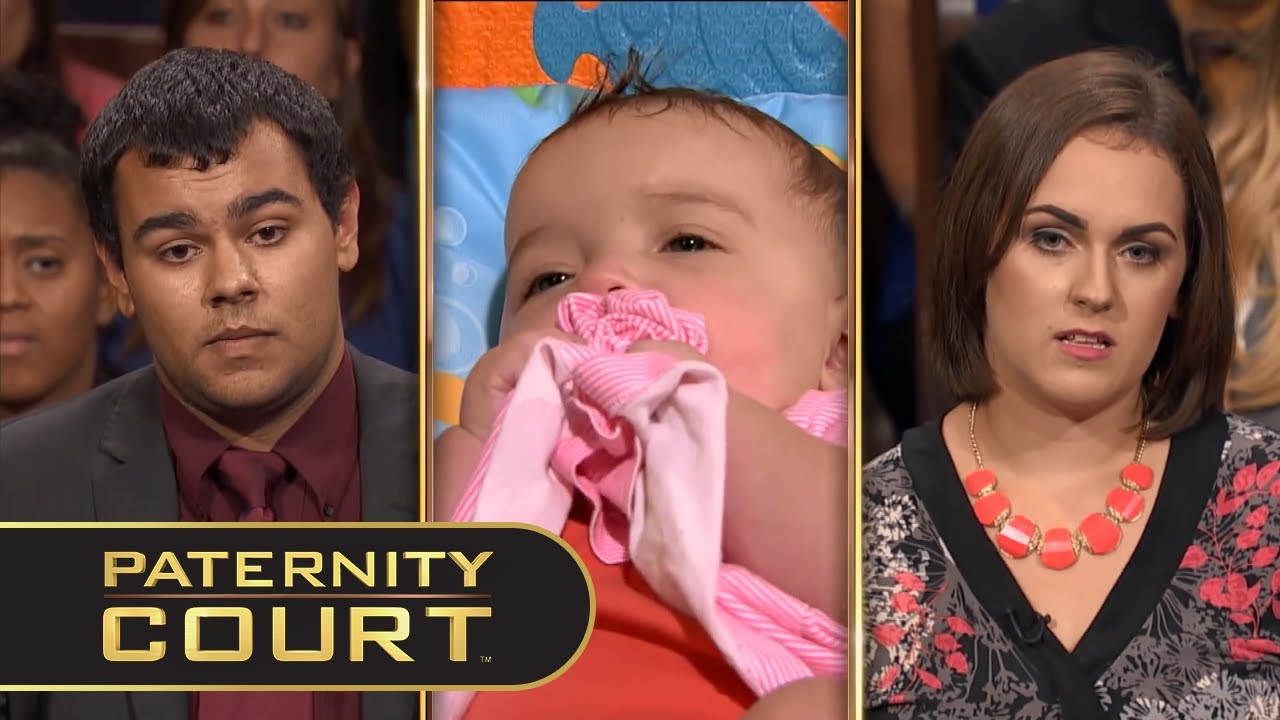
As the disagreement intensified, emotions ran high on both sides. The woman felt hurt and abandoned, believing the man was refusing to take responsibility. Meanwhile, the man felt his reputation was being unfairly challenged, and he was determined to clear his name.
With no resolution in sight, both agreed to the only path that could settle the matter once and for all—a DNA test.
In court, the woman passionately described their past connection, expressing her belief that their relationship had led to her pregnancy. She emphasized the emotional toll of raising a child without support and her desire for answers—not just for herself, but for her daughter’s future.
The man remained firm. He repeated that there had been no physical relationship and stood by his claim that the test would prove his innocence.
When the results were finally revealed, the truth was clear: he was not the father.
For the man, the outcome brought relief and validation. After months of stress and accusations, he was able to walk away knowing he had been telling the truth. But the emotional weight of the experience didn’t disappear overnight.
For the woman, the results were devastating. Her belief had been shattered, leaving her to face a new and painful reality. The certainty she once held was replaced with confusion and heartbreak, as she began to process what this meant for her and her child.
This case highlights how complex and emotionally charged paternity disputes can be. While science can deliver clear answers, it cannot erase the emotional impact left behind. Trust, relationships, and personal identity are often deeply affected, long after the results are known.
In the end, the DNA test resolved the question of biology—but the journey toward emotional healing is still ongoing for both sides.
FULL VIDEO:
What’s your take on situations like this—should trust come before proof, or is DNA testing always the safest route? Share your thoughts and join the discussion.