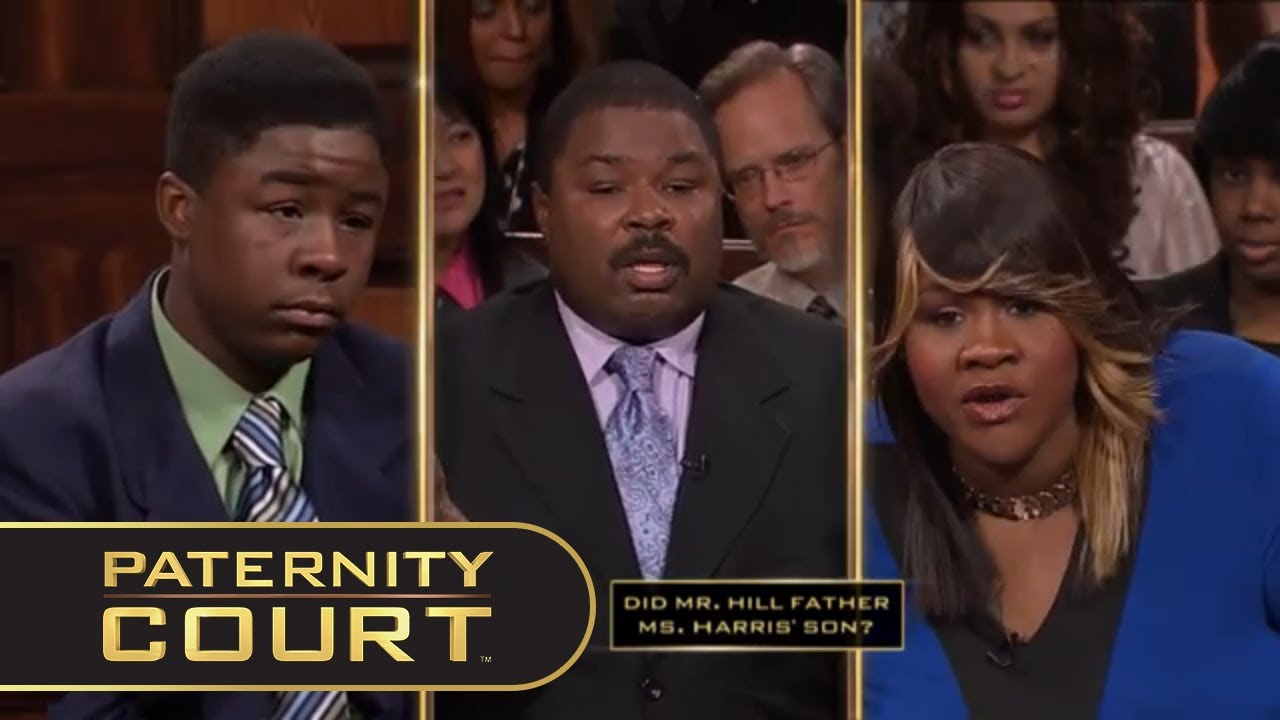
As the proceedings continued, the courtroom atmosphere grew heavier. The child, unaware of the full weight of the situation, sat quietly—yet became the emotional center of the dispute. The case was no longer just about biology; it was about a child’s right to identity and acknowledgment.
The judge carefully listened to both sides, addressing not only the legal aspects but also the emotional impact of the situation. Questions were asked, details were examined, and the deeper layers of the conflict began to surface. It became clear that fear, past relationships, and personal struggles were influencing the man’s denial.
Still, one question remained unanswered: what would the DNA test reveal?
When the results were finally presented, the tension in the room reached its peak. Both parties waited anxiously, knowing that this moment would bring clarity—no matter how difficult the outcome.
The results confirmed what many had suspected all along: the man was indeed the biological father.
For the mother, it was a moment of validation—but not without pain. The truth had come at the cost of emotional stress, uncertainty, and years of denial. For the man, the results meant facing a reality he had tried to avoid. The confirmation didn’t just establish paternity—it brought accountability.
This case highlights an important truth: fatherhood is not defined by resemblance alone, but by the willingness to accept responsibility and be present. Denial can have lasting emotional consequences, especially for a child seeking identity and connection.
While the DNA results brought clarity, they also marked the beginning of a new chapter—one that will require honesty, growth, and difficult conversations.
FULL VIDEO:
What are your thoughts on situations like this? Do you think responsibility should come before doubt? Share your opinion in the comments and join the discussion.