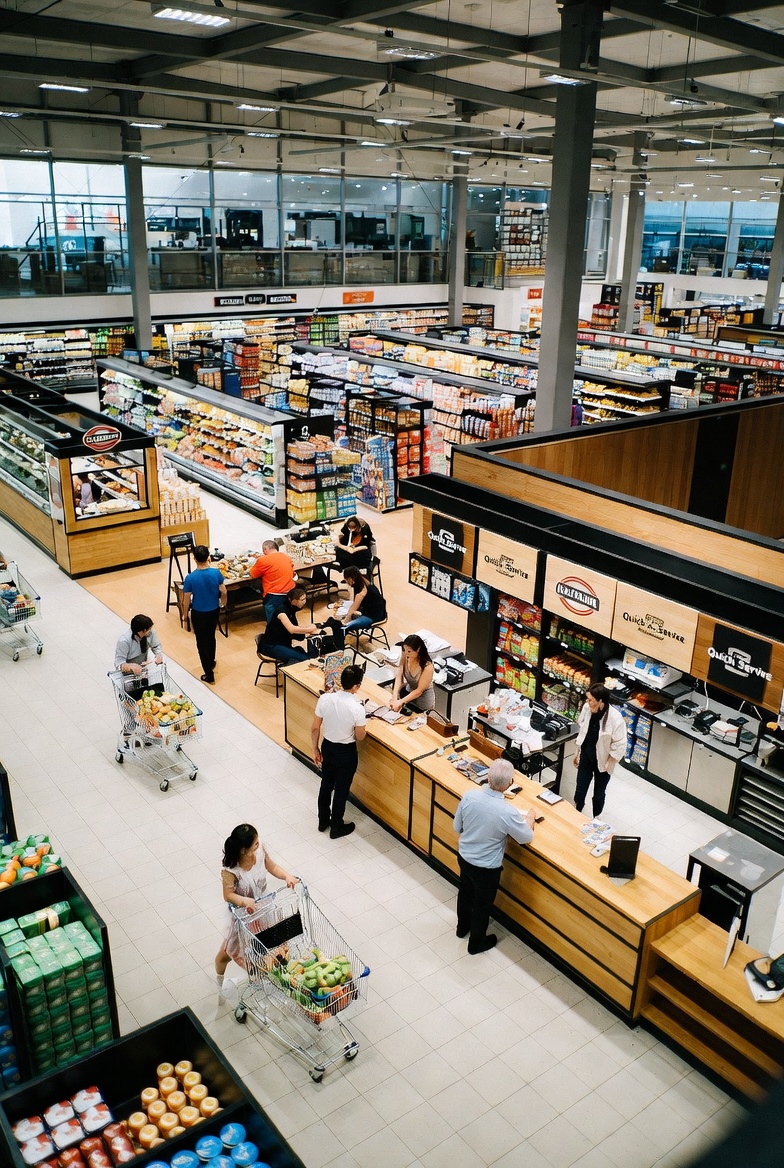
The quick-service restaurant industry is undergoing a noticeable shift, driven by new partnership models that are reshaping how and where food brands operate. Instead of relying solely on traditional standalone buildings, many companies are now expanding through integrated, non-traditional locations that make use of existing retail and commercial spaces. This approach is changing the economics of growth while redefining customer convenience in the process.
At the center of this transformation is a simple idea: meet customers where they already are. Rather than building new sites from the ground up—which often requires significant investment in land, construction, staffing, and permits—restaurant brands are increasingly embedding themselves within established retail environments. These include supermarkets, convenience stores, travel centers, universities, and large-format retail chains that already attract steady foot traffic throughout the day.
This strategy allows quick-service brands to scale more efficiently. By operating inside existing spaces, they reduce overhead costs, shorten development timelines, and gain immediate access to built-in customer flows. In many cases, these locations can open faster than traditional restaurants, allowing companies to test new markets with less financial risk.
Retail partners also benefit significantly from these arrangements. Adding food service options inside their stores enhances the overall customer experience and encourages shoppers to stay longer. This increased dwell time often leads to higher overall spending, as customers are more likely to make additional purchases while visiting. In some cases, the presence of recognizable food brands can even help differentiate one retail location from another in a highly competitive market.
Keep reading…