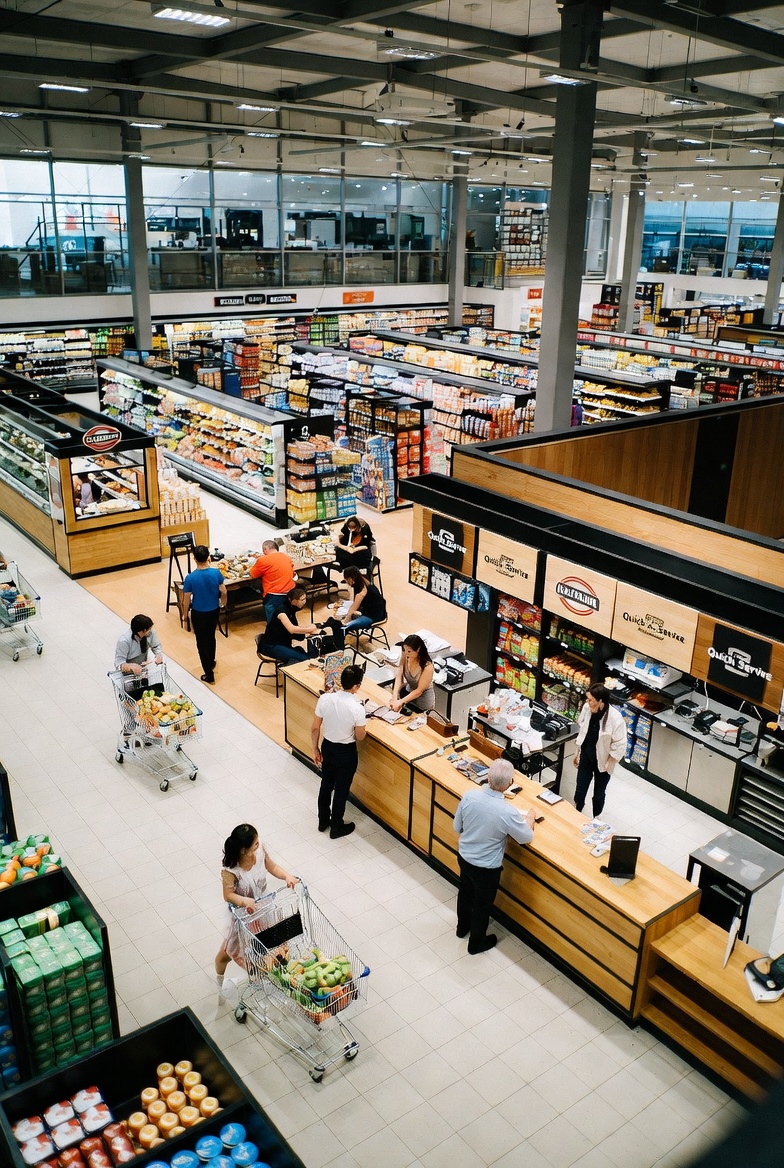
From a broader industry perspective, this trend reflects how consumer expectations are evolving. Convenience is no longer just about speed—it’s about integration. Customers increasingly value environments where shopping, dining, and services coexist in one location, reducing the need for multiple stops and saving time in busy schedules.
For restaurant operators, however, this model also comes with challenges. Limited space, shared infrastructure, and strict operational guidelines require careful planning and adaptation. Menus may need to be streamlined, equipment layouts optimized, and staffing models adjusted to fit within non-traditional footprints. Despite these constraints, many brands view the trade-off as worthwhile given the expansion opportunities these partnerships provide.
As competition in the quick-service sector continues to intensify, non-traditional locations are expected to play an even larger role in future growth strategies. They represent a flexible, scalable, and cost-effective way for brands to expand their presence without relying solely on conventional real estate development.
In many ways, this evolution signals a broader shift in the food service industry—one where adaptability, collaboration, and strategic integration are becoming just as important as the food itself.
If you’re interested in how restaurant trends are reshaping everyday consumer experiences, stay tuned for more insights into the future of dining and retail innovation.