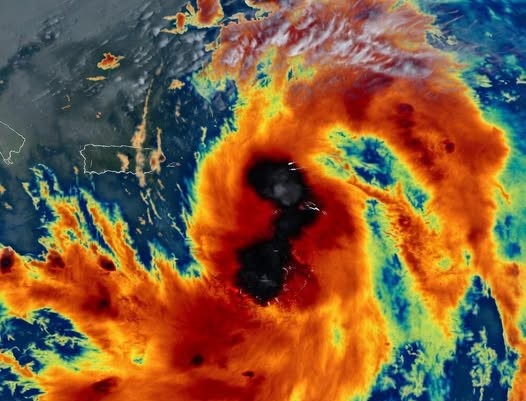
A powerful hurricane is gaining strength over open waters, prompting heightened concern among meteorologists and emergency management officials. Forecast models indicate the storm has already reached major hurricane status, with sustained winds exceeding 130 mph, and experts warn additional intensification remains possible before landfall.
Communities along vulnerable coastal regions are now closely monitoring forecasts as officials prepare for the possibility of dangerous storm surge, flooding rainfall, damaging winds, and widespread disruptions. While the exact track may still shift, forecasters emphasize that residents should not focus solely on the center line. Large hurricanes can affect areas hundreds of miles from where the eye ultimately comes ashore.
Emergency agencies are urging residents in at-risk locations to review preparedness plans immediately. Historically, the greatest dangers from major hurricanes often come not from wind alone but from flooding, storm surge, and extended power outages that can affect communities for days or even weeks.
In low-lying coastal areas, rising water levels can become life-threatening within a short period of time. Strong winds may also bring down trees, power lines, and structures, creating hazardous conditions long before the storm reaches its peak intensity.
Preparedness experts recommend taking action early rather than waiting for conditions to deteriorate.
Keep reading…