Residents should ensure they have enough drinking water, non-perishable food, medications, batteries, flashlights, and other essential supplies to last several days. Mobile devices, backup power banks, and emergency communication equipment should be fully charged before any potential outages occur.
Homeowners are encouraged to secure outdoor furniture, decorations, and loose objects that could become airborne in high winds. Important documents should be stored in waterproof containers, and families should review evacuation routes and emergency contacts.
If local officials issue an evacuation order, experts strongly advise following instructions promptly. Delaying departure can increase traffic congestion and reduce the time available to reach safer locations before conditions worsen.
Beyond physical preparation, staying informed remains one of the most important safety measures. Weather forecasts can change quickly, particularly with rapidly intensifying storms. Residents should rely on trusted weather sources, local emergency management agencies, and official alerts for the latest information.
While major hurricanes often generate dramatic headlines, emergency planners emphasize that preparation—not panic—is the most effective response. Taking simple precautions today can help reduce risks and improve safety for families and communities facing severe weather threats.
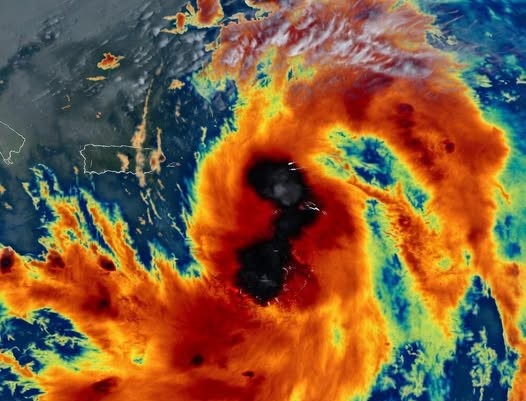
As the storm continues its path across the ocean, millions of people will be watching closely and hoping for the best while preparing for the worst. The coming days may prove critical for those living in potentially affected areas.
Stay alert, follow guidance from local authorities, and make preparations as early as possible. A few hours of preparation today could make a significant difference when severe weather arrives.
Are you in an area that could be affected by this storm? Share how your family prepares for hurricane season and what safety tips you recommend in the comments below.