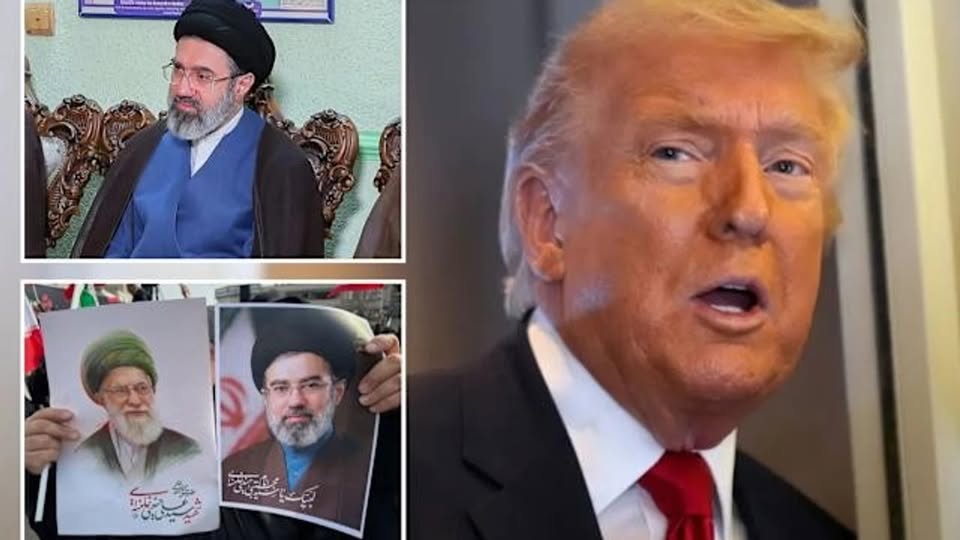
The key concern is not only what Iran does next, but how other governments respond afterward. A single retaliation could trigger another counterstrike, creating a dangerous cycle.
Why Global Markets Are Watching Closely
Conflict in the Middle East rarely affects only the countries directly involved. The region plays a major role in global energy supplies, shipping routes, and investor confidence.
Even the threat of escalation can influence:
Oil prices
Fuel costs
Shipping insurance rates
Gold and other safe-haven assets
Defense-sector stocks
Inflation expectations
For ordinary families, higher energy and transportation costs can eventually show up in grocery prices, travel expenses, and household bills.
For businesses, uncertainty makes planning harder. Fuel, logistics, and supply-chain costs can change quickly when regional tensions rise.
Diplomacy Faces a Critical Test
Behind the scenes, diplomatic efforts are likely focused on preventing the conflict from spreading further.
Regional governments and international mediators are urging caution because escalation can move faster than expected. Once direct strikes and retaliation become normalized, the room for controlled messaging becomes much smaller.
The main challenge is finding an off-ramp before both sides feel forced to respond again.
The Human Cost Behind the Headlines
Beyond military strategy and market reactions, ordinary people across the region are living with uncertainty.
Families may be dealing with interrupted routines, school closures, travel concerns, emergency alerts, and the constant pressure of not knowing what comes next.
Even when the violence is limited, the fear of wider conflict can affect daily life. The psychological toll of waiting for the next update can be heavy.
What Could Happen Next
The next few days may be important.
If Iran chooses a limited response, there may still be space for diplomacy. If the response causes major damage or casualties, the risk of counter-retaliation grows sharply.
The most likely paths are:
A controlled response followed by diplomatic pressure
A cyber or proxy-based response below the threshold of open war
A stronger retaliation that increases the risk of regional escalation
A pause while both sides assess costs and international pressure
None of these outcomes is guaranteed. The situation depends heavily on timing, messaging, and whether major players decide to leave room for de-escalation.
Final Thoughts
The Middle East is entering a tense and uncertain moment. Iran’s next move could shape not only regional security, but also global markets, energy prices, and diplomatic relations.
The biggest question now is whether leaders choose restraint or allow retaliation to create a wider cycle of conflict.
What do you think happens next — diplomacy, limited retaliation, or broader escalation? Share your thoughts in the comments and follow for more clear updates on global security and energy-market risks.