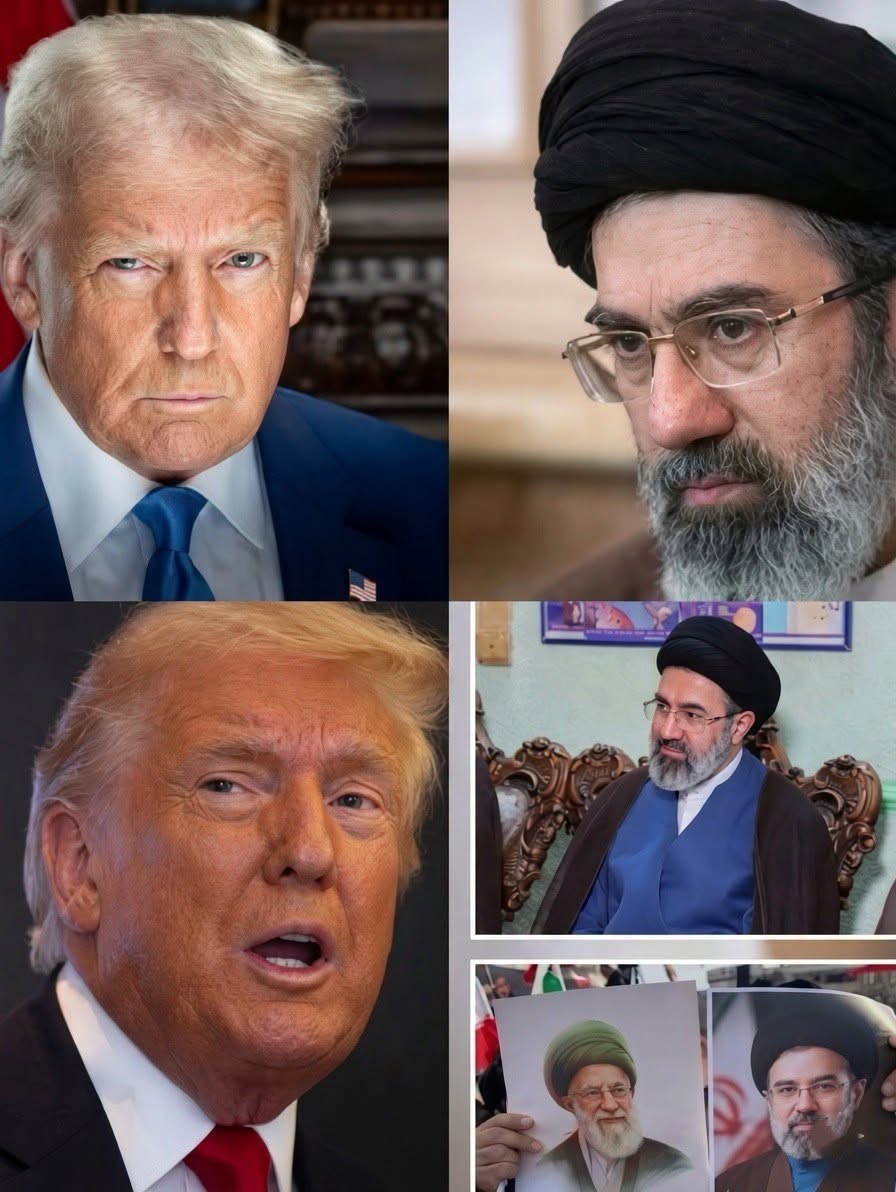
The first reports of explosions sent shockwaves far beyond the immediate area.
Within hours, headlines spread across the globe, fueling intense speculation about what might come next. For many observers, the developments felt significant not only because of the reported military action itself, but because of what it could mean for an already fragile region.
As details emerged, governments, analysts, and ordinary citizens found themselves asking the same question:
Could this confrontation grow into something much larger?
According to reports circulating at the time, the operation was described as a coordinated effort aimed at military and strategic targets. Officials involved reportedly argued that the action was intended to address security concerns and reduce potential future threats.
Supporters of the operation viewed it as a defensive measure designed to disrupt capabilities they believed posed a risk to regional stability.
Critics, however, warned that military actions often carry unpredictable consequences.
History has repeatedly shown that even limited operations can trigger reactions that extend far beyond their original objectives.
As images and videos spread online, attention quickly shifted from the immediate damage to the broader implications. Reports described damaged facilities, disrupted infrastructure, and heightened military readiness across several areas.
Keep reading…