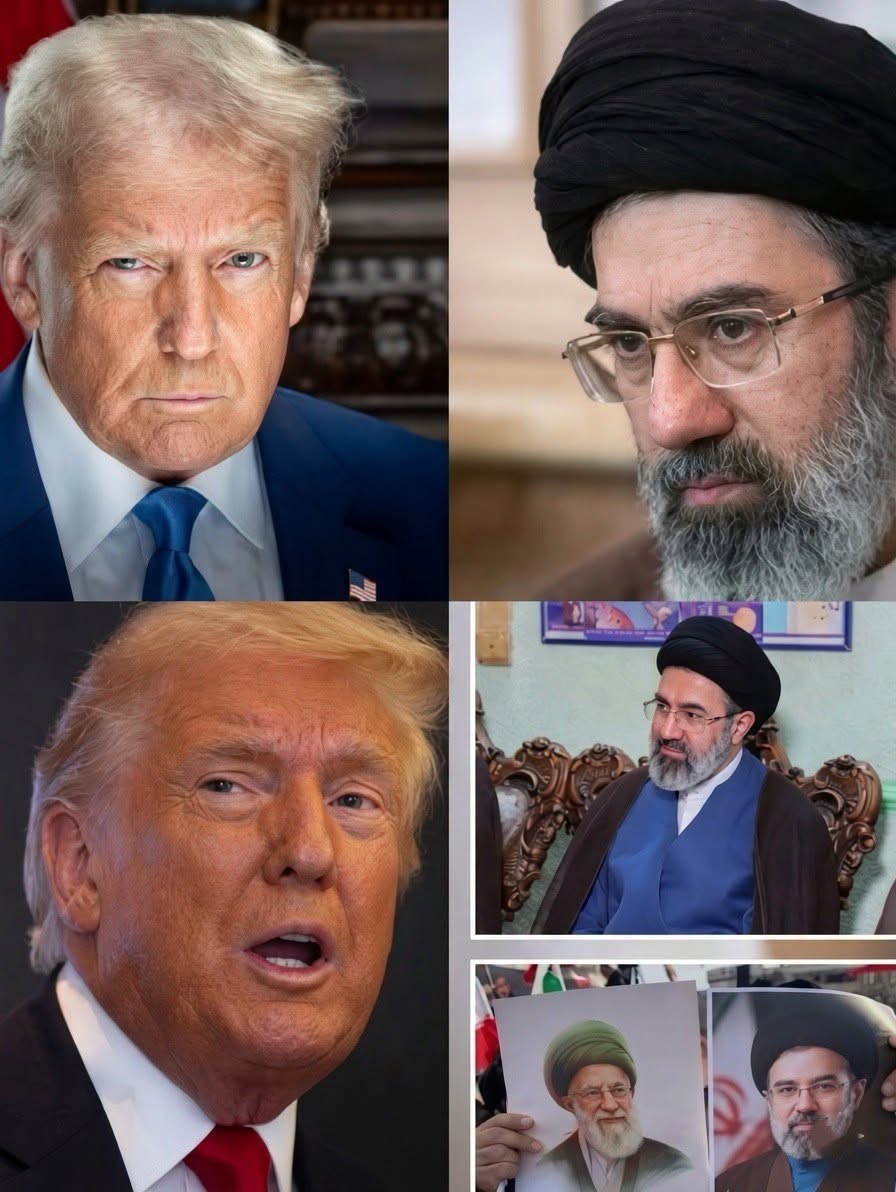
At the same time, official statements from various sides offered competing narratives about what had occurred and what might happen next.
The uncertainty only added to public anxiety.
Financial markets reacted swiftly as investors weighed the possibility of increased instability. Energy prices became a focus of attention, while international observers monitored developments for signs of escalation.
Diplomatic channels also became increasingly active.
Leaders from Europe, Asia, and other regions called for restraint and emphasized the importance of preventing further deterioration of the situation. Behind closed doors, diplomats reportedly worked to reduce tensions and encourage dialogue before events moved beyond anyone’s control.
While military and political leaders assessed strategic consequences, ordinary people faced a different reality.
Families watched news updates late into the night.
Parents checked messages from relatives.
Communities followed developments with concern, hoping the situation would not spiral into a prolonged crisis.
For many, the greatest fear was not what had already happened, but what might happen next.
Modern conflicts often unfold in ways that are difficult to predict. Escalation can occur rapidly through miscalculations, retaliatory actions, or misunderstandings between rival parties.
That uncertainty is why moments like these draw such intense international attention.
Whether the situation ultimately cools through diplomacy or becomes part of a larger confrontation remains a question that only time can answer.
For now, governments continue monitoring developments closely, while citizens around the world watch and wait.
In periods of international tension, headlines often focus on military actions and political statements.
But behind every headline are millions of people hoping for stability, security, and peaceful solutions.
As events continue to unfold, the world remains focused on one critical goal: preventing uncertainty from becoming a wider crisis.
What are your thoughts on the role diplomacy should play during periods of rising international tension? Share your perspective in the comments below.