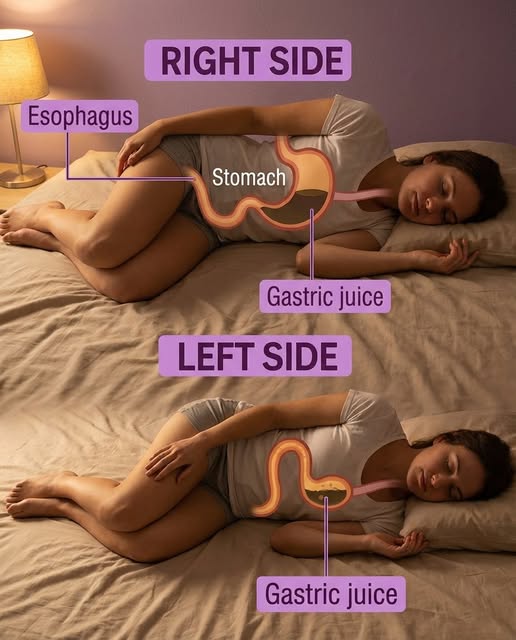
One of the clearest advantages of sleeping on the left side relates to digestive health. The stomach sits slightly to the left within the abdominal cavity. When you lie on that side, gravity helps keep stomach contents positioned below the esophagus.
This alignment can lower the chance of nighttime acid reflux or heartburn—common issues that disrupt sleep for many adults.
Reflux occurs when stomach acid moves upward, irritating the esophagus and causing discomfort or burning sensations. Left-side sleeping creates a natural barrier that makes this upward movement less likely, allowing for more uninterrupted rest.
People who eat later in the evening or experience occasional indigestion may notice reduced bloating and less nighttime discomfort when sleeping on the left side.
Additionally, this position can assist the digestive tract’s natural movement. Gravity supports peristalsis—the rhythmic contractions that move food through the intestines—potentially easing feelings of heaviness or fullness before sleep.
Over time, improved positioning may help digestion operate more efficiently, supporting better nutrient absorption and overall gastrointestinal comfort.
Circulation and Lymphatic Support
Left-side sleeping may also benefit blood circulation. Because the heart is slightly left of center, this position can reduce pressure on major veins that carry blood back to the heart, including the inferior vena cava.
Easier blood flow can lessen cardiovascular strain and support stable circulation throughout the night.
This posture may also aid the lymphatic system, which helps remove waste, toxins, and excess fluids from the body. Since much of the lymphatic drainage occurs on the left side, sleeping this way may encourage more efficient cleansing processes while you rest.
For pregnant individuals, left-side sleeping is often strongly recommended. As pregnancy progresses, the growing uterus can compress major blood vessels when lying on the back or right side.
Healthcare providers frequently advise resting on the left side to improve blood flow to the placenta, kidneys, and uterus. This position may reduce swelling, improve comfort, and support optimal oxygen and nutrient delivery to the baby.
Adjusting to Left-Side Sleeping
Switching sleep positions can feel unnatural at first, especially for those accustomed to sleeping on their back or stomach. Fortunately, small adjustments can make the transition easier.
Placing a pillow between the knees can help align the hips and reduce lower back strain. Holding a pillow or using a body pillow can prevent rolling onto the back and provide a sense of stability.
Mattress and pillow choice also matter. Side sleepers often benefit from a medium-firm mattress that supports spinal alignment without creating pressure on the shoulders or hips.
A properly sized pillow helps keep the neck aligned with the spine, reducing stiffness, headaches, or soreness upon waking.
Adapting to a new sleep position takes time. With consistency and proper support, the body gradually adjusts, often leading to fewer nighttime disruptions and more refreshed mornings.
Additional Health Benefits
Beyond digestion and circulation, left-side sleeping may offer other advantages. Some research suggests that side sleeping supports the brain’s waste-removal system, which becomes more active during rest and may contribute to long-term cognitive health.
Sleeping on the side can also reduce snoring and improve airflow. Compared to back sleeping, side positions often help keep airways open, reducing vibration in the throat.
For individuals with mild breathing disturbances during sleep, this adjustment may improve oxygen intake and overall rest quality.
Pregnant individuals may find left-side sleeping especially helpful for reducing pressure on internal organs and improving comfort as the body changes.
Supporting Healthy Sleep Habits
While sleep position is important, it works best alongside other healthy habits. Maintaining a regular sleep schedule, limiting caffeine and heavy meals before bedtime, and creating a calm, dark, and cool sleep environment all contribute to better rest.
Light exercise, stress reduction, and relaxation techniques such as stretching or meditation can also improve sleep quality and make side sleeping easier to maintain.
Those who struggle initially can start gradually, spending part of the night on the left side before transitioning fully. With time, many people report fewer interruptions and improved energy levels.
Why Sleep Position Deserves Attention
Since we spend roughly one-third of our lives asleep, sleep habits deserve thoughtful consideration. While sufficient sleep duration is essential, posture plays a role in how restorative that sleep truly is.
Left-side sleeping can support digestion, circulation, lymphatic function, and breathing—all without requiring special equipment or costly interventions.
Simple changes, like adjusting pillows or gradually changing position, can lead to noticeable long-term improvements in sleep comfort and overall health.
Conclusion
Sleeping on your left side is more than a matter of comfort—it’s a practical way to support your body while it restores itself overnight.
From easing digestion and reducing reflux to promoting circulation, lymphatic drainage, and healthier breathing, the potential benefits are wide-ranging.
Pregnant individuals, those with digestive discomfort, and anyone aiming to improve sleep quality may find this position especially helpful.
While no single sleep posture suits everyone, experimenting with how you sleep is a low-effort step toward better rest and well-being.
Small, intentional adjustments to your nighttime routine can lead to more comfortable mornings, improved energy, and a healthier relationship with sleep.
In the end, how you sleep is just as important as how long you sleep. Prioritizing posture alongside healthy sleep habits allows your body to fully recharge, heal, and prepare for the day ahead.