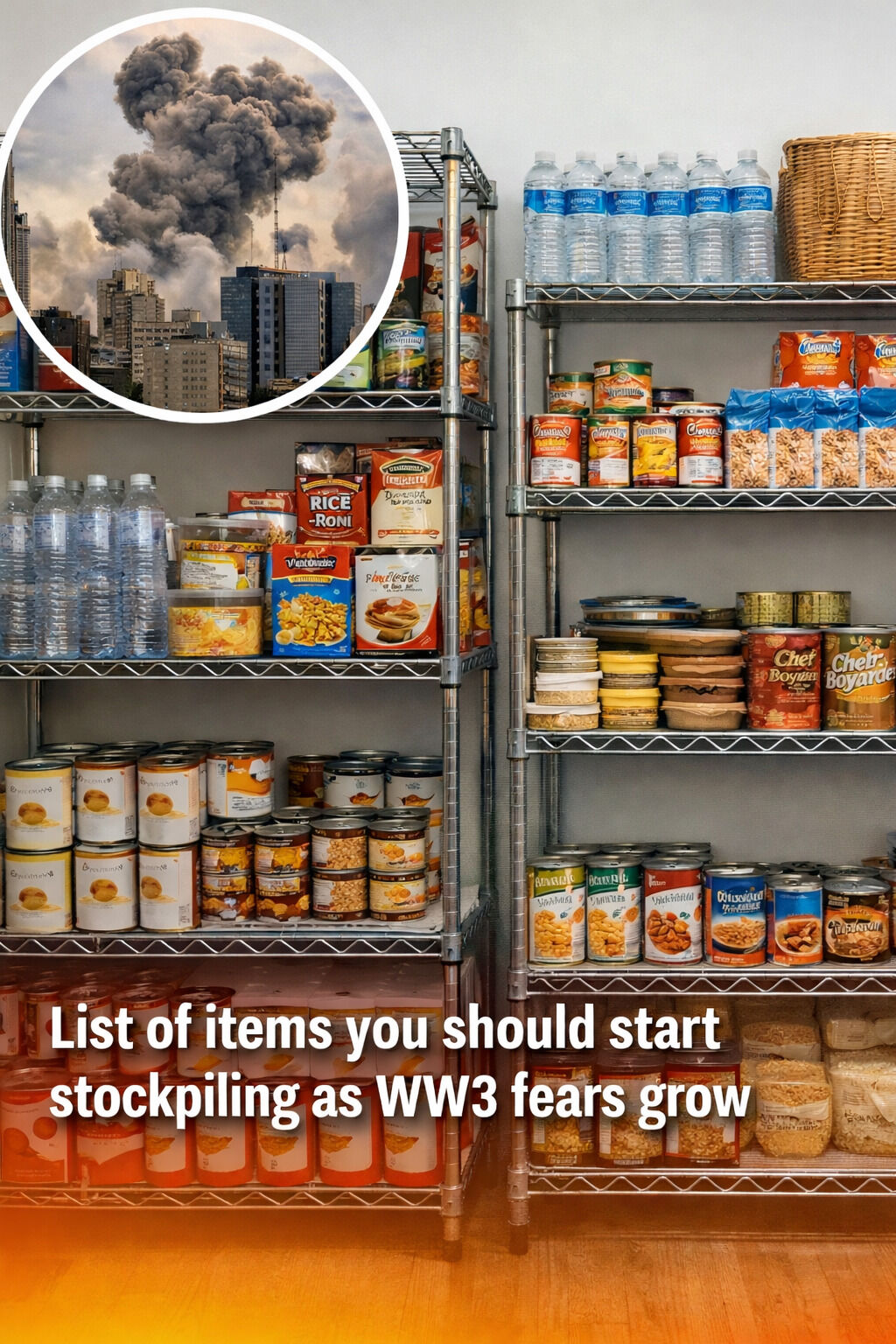
While international developments continue to evolve, preparedness specialists emphasize that household readiness is a sensible step for many types of emergencies—not just conflicts.
Why Emergency Preparedness Matters
Organizations such as the European Commission have encouraged households to keep basic emergency supplies that could last at least 72 hours. The recommendation is part of a broader strategy designed to help citizens cope with unexpected disruptions such as storms, power outages, or other emergencies.
According to Hadja Lahbib, the European Commissioner for Preparedness and Crisis Management, the goal is simple: families should be able to remain self-sufficient for at least three days if services are temporarily unavailable.
Basic Emergency Supplies to Consider
Preparedness experts suggest keeping a small emergency kit with essential items such as:
- Bottled water (at least a three-day supply per person)
- Non-perishable food that does not require cooking
- Flashlights with extra batteries
- Basic medications and first-aid supplies
- Copies of important documents stored in waterproof containers
Additional Helpful Items
Beyond the basics, several other everyday items may prove useful during emergencies:
- A portable radio to receive news and emergency alerts
- Cash, in case electronic payment systems are unavailable
- A multi-tool or utility knife
- Warm clothing or blankets
- Local maps or a compass in case digital navigation is unavailable
Preparation Without Panic
Experts consistently stress that these steps are about being prepared, not alarmed. Many of the same supplies recommended for geopolitical uncertainty are also useful during routine emergencies such as severe weather, infrastructure outages, or evacuation situations.
Having a small emergency kit ready can provide peace of mind and help families respond calmly and effectively if an unexpected situation arises. Preparedness is ultimately about staying informed, planning ahead, and ensuring basic needs can be met if normal services are temporarily disrupted.