
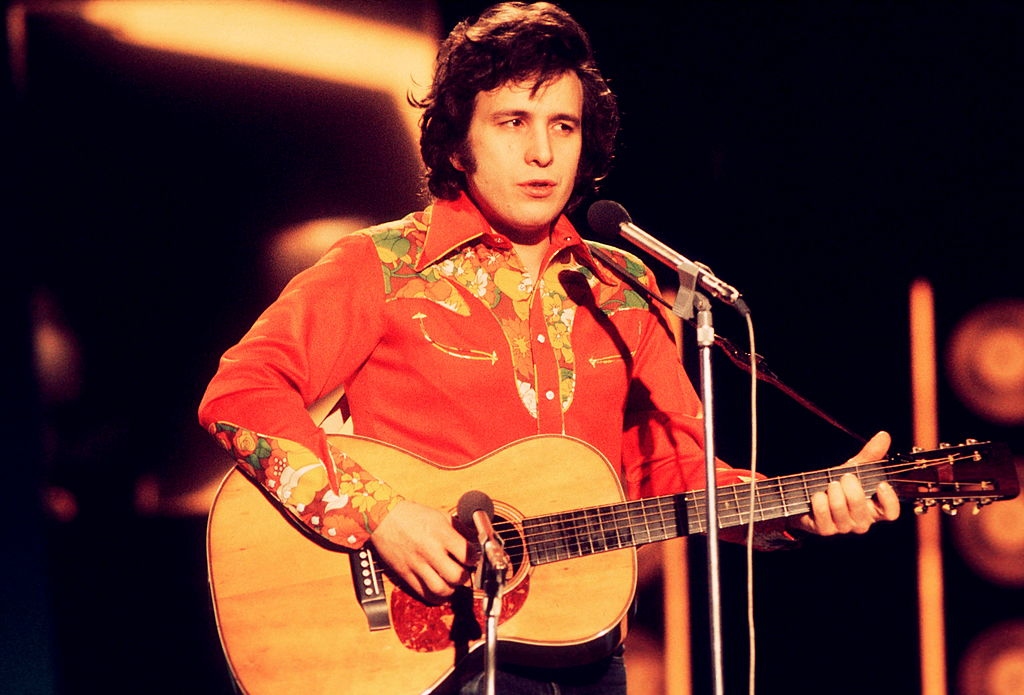
His 1969 debut album Tapestry introduced his voice to a wider audience, but it was not an immediate breakthrough. It showed promise, but the major recognition he sought was still ahead.
That recognition arrived in 1971 with “American Pie.” The song became a cultural landmark rather than just a hit record. Inspired in part by the loss of Buddy Holly and shaped by broader reflections on change and memory, it resonated across generations. Its layered lyrics and emotional depth turned it into one of the most discussed and interpreted songs in modern music history. For McLean, it marked the moment years of struggle finally transformed into global recognition.
He followed that success with other deeply emotional works, including “Vincent,” a tribute inspired by the life of Vincent van Gogh. The song revealed a more intimate side of his songwriting, focusing on vulnerability, loneliness, and artistic sensitivity. Together, these works showcased his ability to translate complex emotion into music that feels personal yet universal.
Like many long-standing public figures, McLean’s life has also included challenges beyond his music. His personal relationships and public controversies have contributed to a more complicated public image, reflecting the reality that artistic legacy and personal life do not always align neatly.
Still, what remains central to his story is the way early pain was transformed into lasting creative expression. The grief, uncertainty, and rejection he experienced did not disappear—they were reshaped into music that continues to reach listeners decades later.

Today, Don McLean is remembered not only for iconic songs, but for a career built on persistence through hardship. His work stands as a reminder that meaningful art often comes from lived experience, and that creative voices are often forged in the most difficult circumstances.
If this story resonated with you, share your thoughts below and join the conversation about the moments and music that stay with us across a lifetime.