
Redistricting: More Than Just Mapmaking
Every ten years, following the U.S. Census, House seats are reapportioned among the states based on population shifts. Traditionally, district lines are adjusted to reflect these changes. However, some states have recently undertaken mid-decade redistricting—redrawing boundaries outside the usual cycle—a rare and controversial move that has intensified political debate.
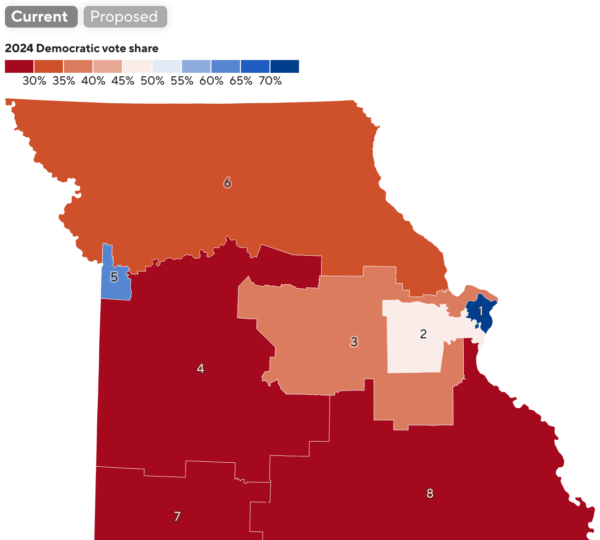
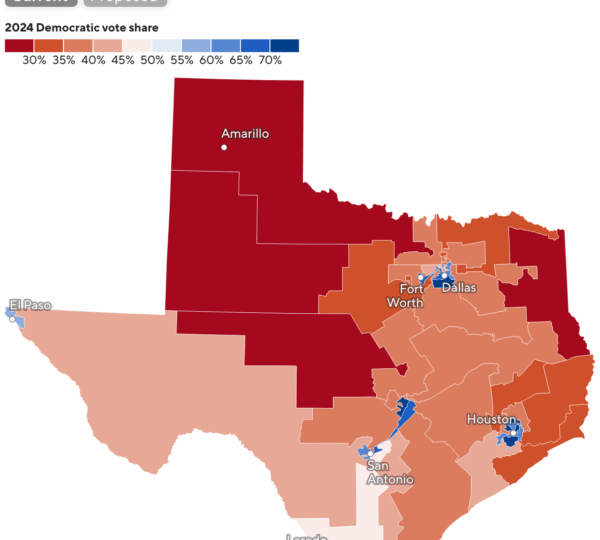
Redistricting can affect which party is more likely to win seats, making it a powerful strategic tool. In states like North Carolina, Texas, Missouri, and California, lawmakers are using the process to create districts favorable to their party. Even small gains—one or two seats—can influence the House majority, affecting the ability of a president to pass legislation and shaping national policy outcomes.
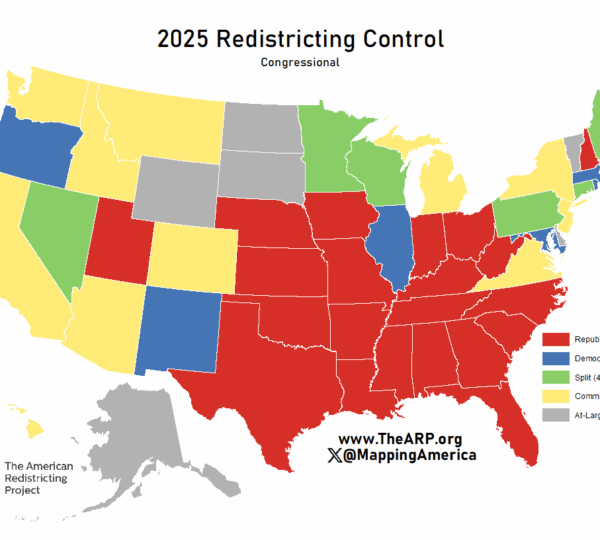
Republican-Led Redistricting Initiatives
In 2025, Republican-controlled legislatures in Texas, Missouri, and North Carolina implemented mid-decade redistricting plans ahead of the 2026 elections.
- Texas approved a map designed to add several Republican-leaning districts, potentially increasing GOP seats by up to five. Legal challenges questioned whether the map constituted an unconstitutional racial gerrymander, but the U.S. Supreme Court allowed the lines to be used in 2026.
- Missouri also passed a new map, prompting lawsuits and efforts to suspend the changes until voter approval.
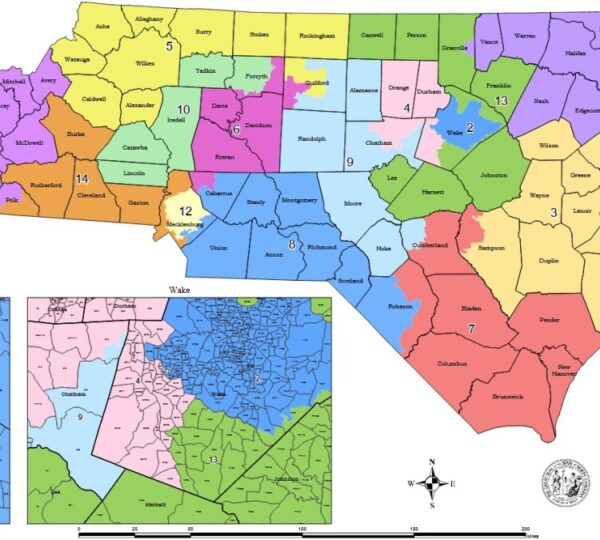
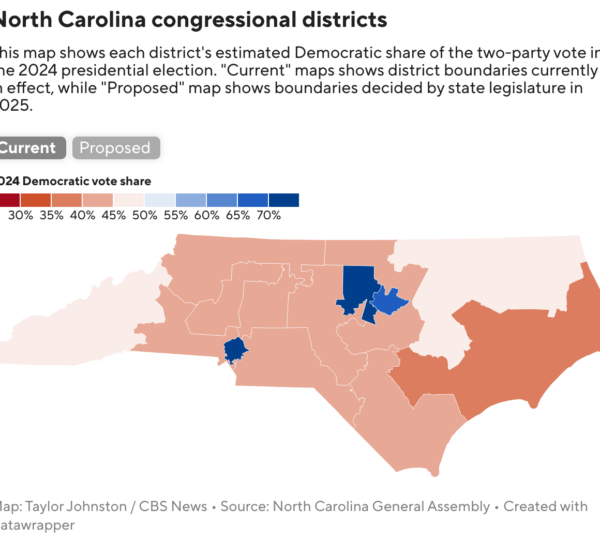
- North Carolina saw a federal judicial panel approve a map intended to give Republicans an additional seat by reshaping a competitive district.
These efforts were influenced by national political priorities, with Republican leaders encouraging state officials to protect and expand party control of the House.
Democratic Responses
Democratic leaders have taken countermeasures in states like California. The state, long known for its independent redistricting commission, passed Proposition 50 in 2025, temporarily allowing the Legislature to redraw congressional maps for political advantage. These new maps, which could result in up to five additional Democratic seats, were upheld by a federal appeals court in early 2026.
Other Democratic-led states are exploring similar strategies. In Virginia, lawmakers proposed a constitutional amendment to return redistricting authority to the legislature. Maryland’s governor has also pushed for a new congressional map in response to changes elsewhere. These moves reflect a broader “redistricting arms race,” with both parties seeking to shape districts to their advantage.
Legal and Public Reactions
The surge in mid-decade redistricting has triggered lawsuits and political debate nationwide. Critics argue these maps undermine democratic fairness and weaken voters’ influence over elections. Polls suggest a majority of Americans, across party lines, favor independent commissions over legislative control of redistricting.
Redistricting decisions also affect representation and competition. Aggressive mapmaking, often referred to as gerrymandering, has contributed to political polarization and made many districts safe seats for one party, reducing incentives for legislators to appeal to a broad range of voters.
The Road Ahead
Redistricting battles are likely to continue through 2026 and beyond. Court decisions, voter referendums, and potential federal legislation could shape how districts are drawn in the future. Proposed bills aim to establish national standards for independent redistricting and limit mid-decade changes, though passage is uncertain in a divided Congress.
Ultimately, who draws district lines—and how those lines are drawn—will continue to influence American politics and determine the weight of each voter’s voice for years to come.