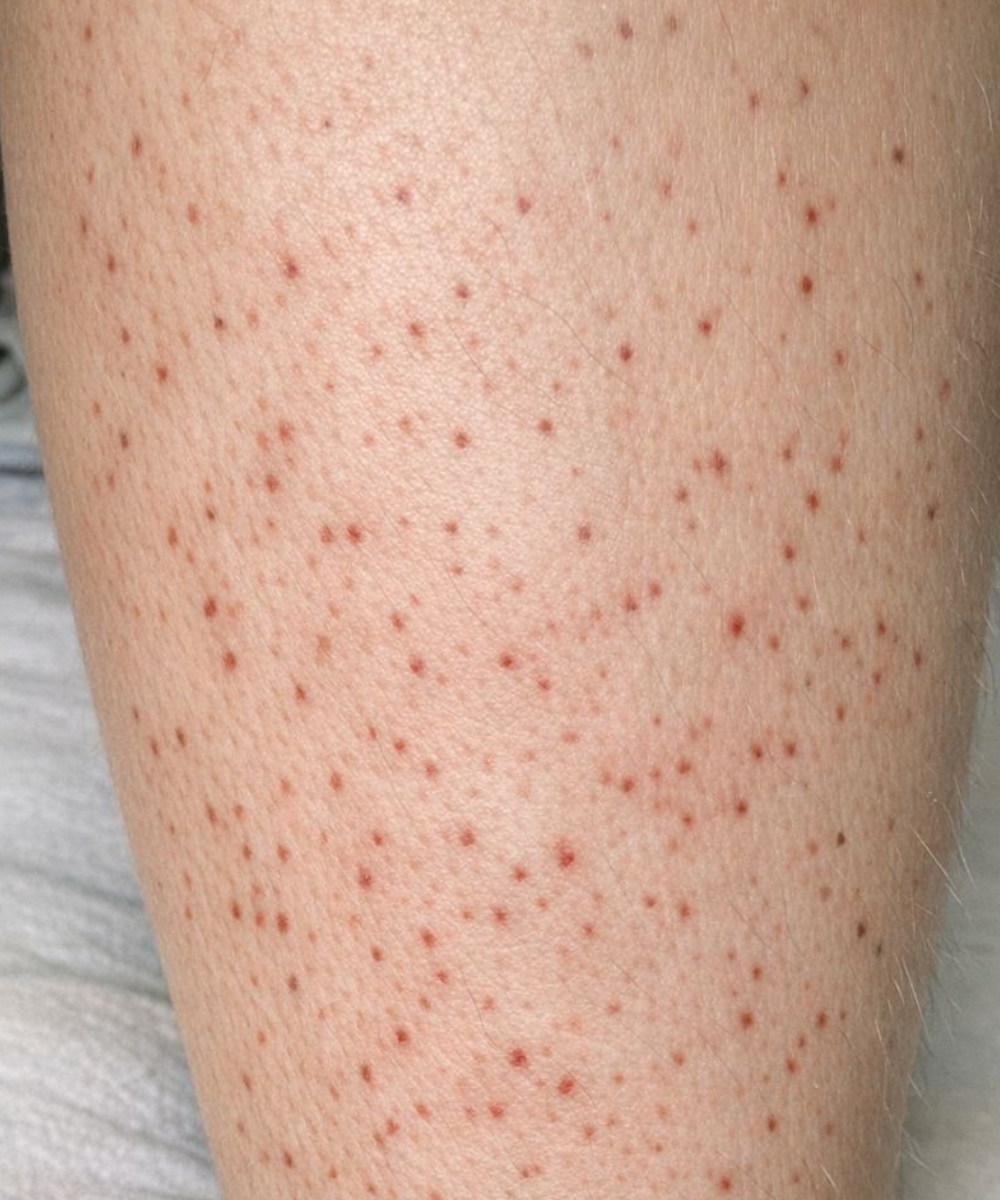
5. Immediate Skin Care
Moisturize with fragrance-free creams, avoid hot baths, and consider loose clothing. Compression stockings may help circulation, but check with a healthcare professional first.
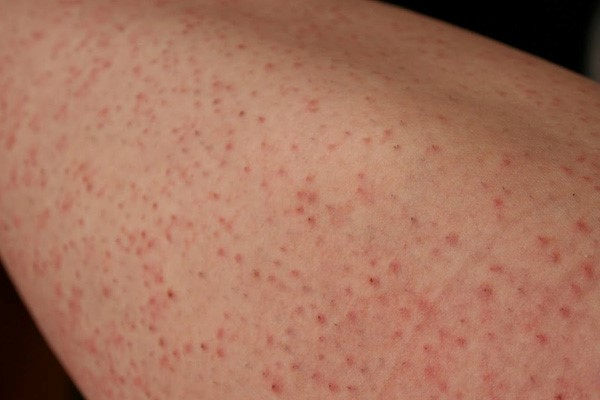
6. Lifestyle Adjustments
Elevate your legs when resting, walk or stretch gently, stay hydrated, and eat a diet rich in vitamins C and E to support blood vessels. Limit alcohol and caffeine when possible.
7. Over-the-Counter Options
Antihistamines can ease itching; mild hydrocortisone can reduce inflammation. Use sparingly, avoid strong creams, and always patch-test new products.
8. Track Symptoms
Keep a daily log of spot appearance, changes, and triggers. Photos with a size reference are ideal for telehealth or dermatology visits.
9. Telehealth & Nurse Lines
If you can’t visit a doctor in person, telehealth and nurse hotlines can guide you and review photos. Be ready with your symptom history.
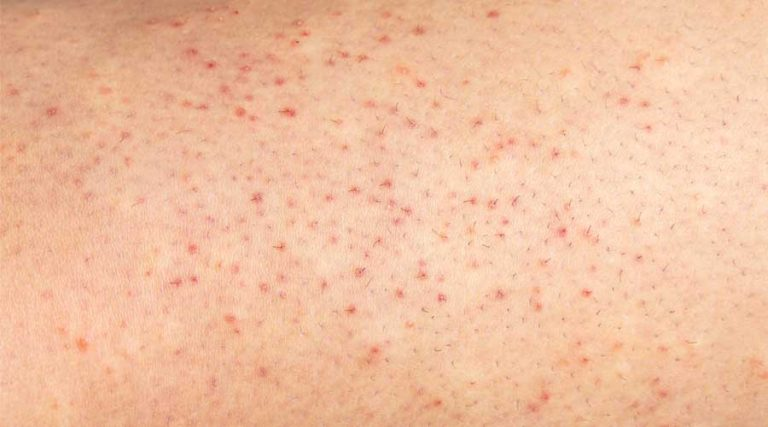
10. Warning Signs
Seek urgent care if spots spread quickly, turn into large bruises, appear with bleeding elsewhere, fever, dizziness, sudden pain, or breathing issues.
11. Advocate for Yourself
Bring your notes, photos, and timeline to your appointment. Ask questions, clarify causes, and discuss treatment options—understanding your condition matters.
Don’t ignore unusual red spots. Track them, stay aware, and reach out to a healthcare professional if you notice changes. Have you spotted unexplained marks on your skin recently? Share your experience below!