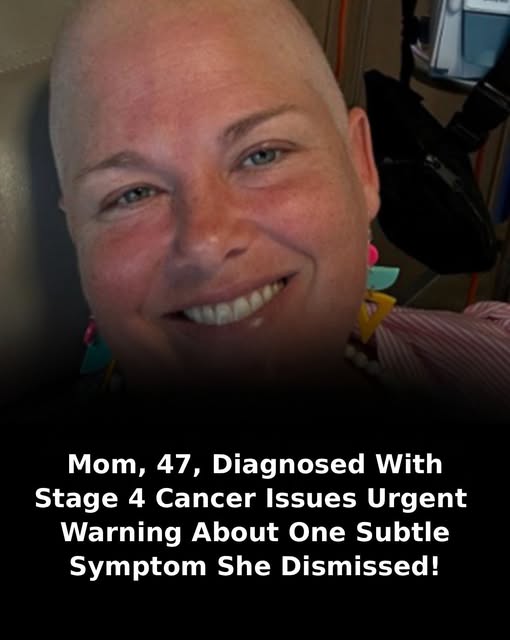
Susan’s journey started with signs that seemed harmless at the time. In an interview with the Daily Mail, she explained that the early symptoms didn’t feel serious enough to worry about.
Now, her mindset has shifted.
“My focus now is staying as healthy as possible for as long as I can,” she said. “I’ll likely go back on chemotherapy after my next trip overseas.”
Although her condition is considered incurable, Susan is determined to make the most of her time — prioritizing family, travel, and helping others facing similar battles.
Why Bowel Health Is Still a Taboo Topic
One major reason bowel cancer is often caught late, Susan says, is simple: people feel uncomfortable talking about digestion.
“I didn’t speak about my bowel habits — and honestly, who does?” she admitted. “That’s part of the issue. People don’t raise concerns early enough.”
This silence can be dangerous. Colorectal cancer often begins quietly, with symptoms that can be mistaken for stress, diet changes, hormones, or common digestive problems.
The sooner people recognize these changes and consult a doctor, the better the chances of catching cancer early.
The Early Signs She Didn’t Take Seriously
Months before she was diagnosed in September 2023, Susan began feeling unusually exhausted.
She described moments where she would drive her daughter to rowing practice and then be forced to pull over and sleep for almost an hour on the way back.
“That isn’t normal,” she said. “But I ignored it.”
As a physiotherapist, Susan was used to working through tiredness and staying active. She assumed it was stress, burnout, or even early menopause.
Around the same time, she noticed digestive changes. While attending a wedding in France, she experienced constipation — something she had never dealt with before.
She blamed the travel lifestyle and rich food.
“I thought it was just too much cheese and indulgent eating,” she said.
But after returning home, the symptoms intensified dramatically.
She recalled collapsing in extreme pain, suffering from vomiting, diarrhoea, and unbearable cramping for hours.
“It lasted eight hours,” she explained. “I thought it was food poisoning.”
She described it as worse than childbirth, even crawling into the shower in an attempt to relieve the pain.
A Diagnosis That Left Her in Shock
At first, medical tests didn’t point to cancer. Bloodwork and stool samples appeared normal, so doctors didn’t immediately suspect anything serious.
That changed after a colonoscopy.
“When I woke up, I could tell something was wrong,” Susan said. “They didn’t offer me food or water. Then the gastroenterologist came in and said he’d found a tumour.”
Further scans brought even more devastating news: the cancer had already spread to her uterus, pelvic lymph nodes, and right lung.
Her diagnosis was confirmed as advanced metastatic bowel cancer — stage 4.
At this stage, colorectal cancer has moved beyond the colon or rectum and reached other organs, making a cure unlikely. Treatment usually focuses on slowing progression, easing symptoms, and extending life.
What Stage 4 Bowel Cancer Means
Stage 4 bowel cancer is the most advanced form of colorectal cancer. According to the American Cancer Society, around 1 in 5 new cases are diagnosed at this late stage.
Survival rates are significantly lower. The five-year relative survival rate is estimated at around 14%, although outcomes vary depending on treatment response and individual health.
Stage 4 treatment commonly includes:
- Chemotherapy – to slow the cancer and reduce tumour growth
- Targeted therapy – drugs designed to attack specific cancer pathways
- Surgery (in some cases) – often to ease symptoms or remove blockages
- Palliative care – to manage pain, fatigue, and improve daily comfort
Despite her prognosis, Susan continues living actively, traveling when she can, spending time with her children, and supporting others in the cancer community.
Her Warning to Others: Don’t Ignore Your Gut Feeling
Susan now speaks openly to encourage people not to dismiss persistent symptoms, even if they seem minor.
“If something doesn’t feel right, keep pushing for answers,” she said. “Even if tests look fine. Even if you’re told it’s stress, hormones, or diet — trust yourself.”
What makes her story even more alarming is that she didn’t experience the classic warning sign many people associate with bowel cancer, such as visible blood in the stool.
Instead, her symptoms were subtle: fatigue, constipation, and abdominal discomfort.
Medical professionals often stress that ongoing symptoms lasting weeks or months should always be investigated.
Common early signs of bowel cancer include:
- Constant tiredness
- Changes in bowel habits
- Abdominal pain or cramping
- Sudden weight loss
- Ongoing constipation or diarrhoea
- Feeling like the bowel doesn’t fully empty
Because these symptoms can resemble harmless digestive problems, many people delay seeing a doctor — sometimes until the disease has already progressed.
Turning Her Struggle Into a Mission
Even while undergoing chemotherapy and dealing with an uncertain future, Susan has chosen to turn her experience into something meaningful.
She created The Floozie Foundation, an organization aimed at supporting cancer patients and their families in adult hospital wards throughout Australia.
The foundation focuses on providing comfort, emotional support, and resources for patients navigating serious illness. It also helps raise awareness about early detection and the importance of self-advocacy in healthcare.
Susan continues sharing updates online, not only about her treatment but also about the foundation’s impact. Her goal is to inspire hope and remind others that they are not alone.
Why Early Detection Matters So Much
Medical studies consistently show that bowel cancer outcomes improve dramatically when caught early. Early-stage cancers are far more treatable and often curable, requiring less aggressive treatment.
Unfortunately, embarrassment, stigma, and vague early symptoms often lead to delayed diagnosis.
Susan’s experience highlights how easily warning signs can be missed — and how important it is to act early if something feels unusual.
Common screening options include:
- Colonoscopy – checks the entire colon and can remove polyps
- FIT test (Fecal Immunochemical Test) – detects hidden blood in stool
- Flexible sigmoidoscopy – examines the lower colon
- CT colonography – a “virtual colonoscopy” using imaging scans
Experts generally recommend starting routine screening at age 45, or earlier for those with family history or other risk factors.
The Emotional Side of Stage 4 Cancer
Living with advanced cancer is not only physically exhausting — it also takes a major emotional toll.
Susan says mental strength, community support, and open conversations with loved ones are essential.
“You’re not alone,” she says. “Your health is worth it. Speak up. Push for answers.”
Her honesty about fear, frustration, and determination has resonated with thousands, helping normalize conversations about bowel health and encouraging people to take symptoms seriously.
A Bigger Mission: Changing the Culture
Susan’s message is larger than her own story. She hopes to change how society talks about bowel habits and digestive health.
Through her advocacy and foundation, she focuses on:
- Spreading awareness about bowel cancer symptoms
- Encouraging early testing and screening
- Supporting patients and families with resources and guidance
- Building community support networks
- Hosting events and outreach programs
By speaking openly, she is challenging the stigma that keeps many people silent.
Conclusion: A Reminder That Could Save Lives
Susan Schmidt’s story is a powerful reminder that small symptoms can sometimes signal something serious — and that early action can make all the difference.
Her experience highlights key lessons:
- Don’t ignore ongoing fatigue, stomach pain, or bowel changes
- Seek medical advice if symptoms continue, even if tests seem normal
- Bowel cancer can affect anyone, regardless of age or lifestyle
- Speaking up early can potentially save your life
Susan continues her fight with strength and purpose, turning her personal battle into a message that may help others act sooner.
As she puts it:
“I want people to know they’re allowed to speak up. Your health is worth it.”
By sharing her journey, Susan is helping ensure that others recognize warning signs earlier — and possibly prevent a late-stage diagnosis.