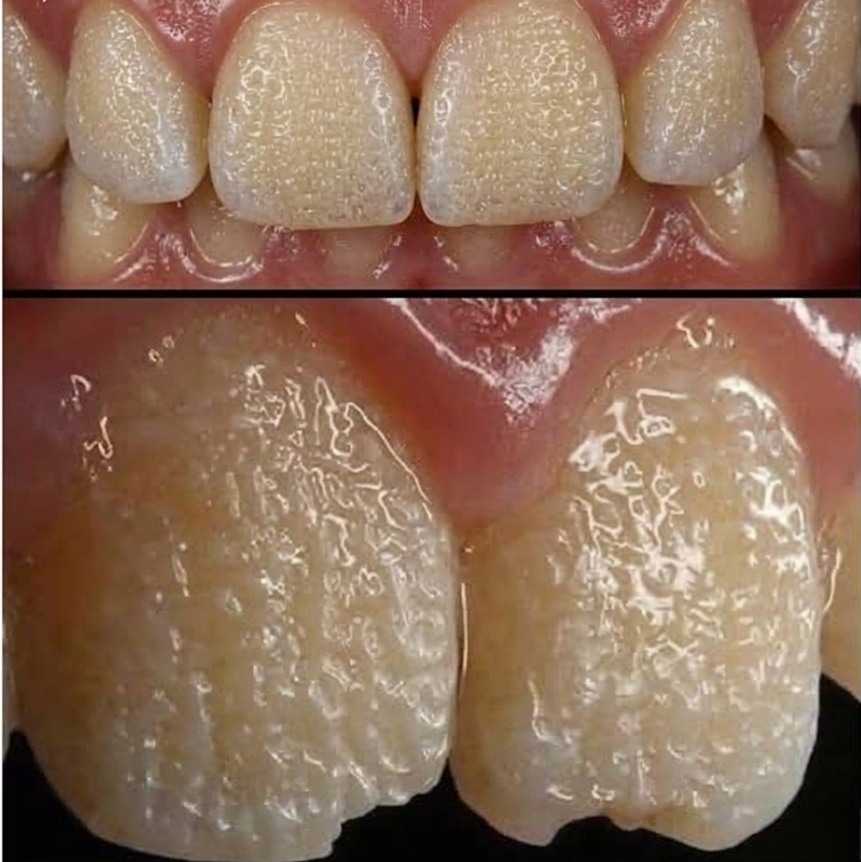
A tooth that chips easily, turns yellow, or becomes painfully sensitive might seem like a minor annoyance at first. Most people blame coffee, acidic foods, or skipped brushing. But sometimes, the cause runs much deeper—and it starts long before teeth even appear. By the time signs are visible, the enamel may already be too weak to protect the teeth properly.
More Than Just Appearance
Discolored, fragile, or sensitive teeth are often dismissed as cosmetic issues, but in some cases, the root cause is genetic. Amelogenesis Imperfecta (AI) is a rare inherited condition that disrupts enamel formation—the hard outer layer that shields teeth. In AI, enamel may never fully develop, leaving teeth prone to wear, damage, and sensitivity. This is not due to poor habits; it’s a developmental issue affecting both function and appearance, sometimes from early childhood.
Why Enamel Matters
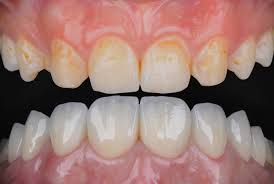
Enamel is the body’s hardest substance, protecting teeth from chewing pressure, temperature changes, acids, and bacteria. Specialized cells form this layer during tooth development, creating a surface meant to last a lifetime. In AI, genetic mutations interfere with this process, resulting in enamel that can be:
- Too thin
- Too soft
- Poorly mineralized
- Or unable to harden properly
Without adequate enamel, teeth are vulnerable to damage, decay, and heightened sensitivity, making eating and drinking uncomfortable or even painful.
Signs and Symptoms
AI can present in various ways, but common indicators include:
Continue reading on next page…