- Nasal congestion
- Shortness of breath
- Temporary changes in taste or smell
While most cases are mild—especially for vaccinated individuals—older adults, those with underlying conditions, and immunocompromised people remain at higher risk for severe illness.
Testing and Vaccines
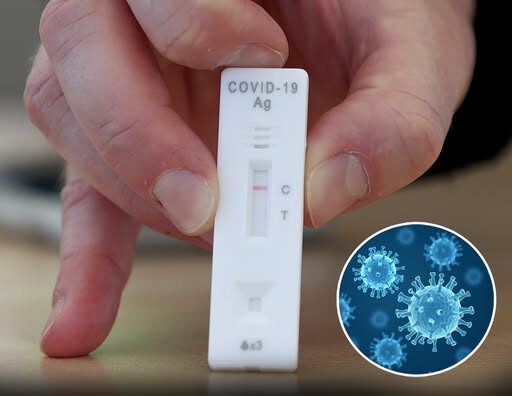
Rapid antigen and PCR tests continue to detect COVID-19 effectively. Minor variations in accuracy may occur with some variants, but testing remains essential for identifying cases and reducing spread.
Vaccines remain a cornerstone of protection. Even when variants carry changes, vaccines help prevent severe outcomes, hospitalization, and complications. While no vaccine guarantees complete immunity, their role in safeguarding health is clear.
Practical Steps to Stay Safe
Simple, everyday precautions remain effective:
- Wash hands regularly
- Practice respiratory hygiene (cover coughs and sneezes)
- Stay home when sick
- Get adequate rest and hydration
In certain settings, consider extra measures:
- Wearing a mask in crowded indoor spaces
- Ensuring proper ventilation
- Maintaining reasonable distance where possible
Staying Informed Without Stress
Rely on trusted sources such as official health organizations and medical professionals. Limit exposure to constant news updates to reduce anxiety and focus on actionable steps.
Looking Ahead
COVID-19 will continue to evolve, but health systems are better prepared than ever:
- Improved treatment protocols
- Expanded testing and surveillance
- Updated vaccines as needed
By staying aware, practicing responsible habits, and following reliable guidance, you can navigate new variants safely while maintaining everyday life.
💬 Have questions about COVID-19 variants or tips for staying safe? Share your thoughts and experiences in the comments below!