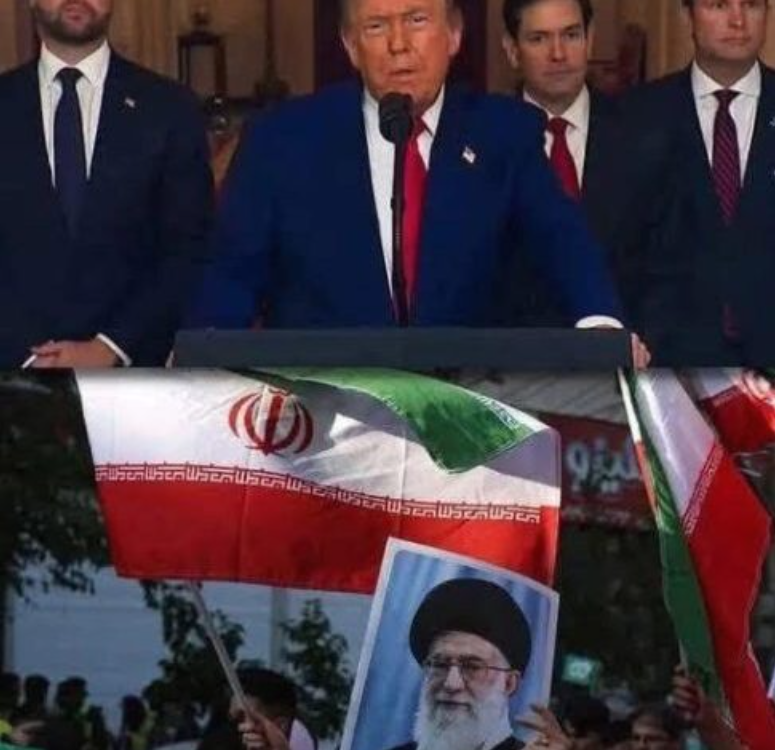
In today’s fast-moving media environment, it’s increasingly difficult to distinguish verified reporting from attention-grabbing alarmism. Recently, a surge of dramatic headlines has warned of an “urgent” and supposedly imminent Iranian attack on the United States, even claiming a specific state would be targeted first. While such claims are designed to provoke fear, the broader geopolitical picture is far more nuanced and demands careful, fact-based analysis rather than reactive panic.
As of mid-February 2026, tensions between the United States and Iran are undeniably elevated. Diplomatic communication has grown strained following a ten-day ultimatum reportedly issued by the Trump administration on February 19, pressing Tehran to present concrete proposals addressing concerns over its nuclear ambitions and regional activities. In parallel, Iran has carried out joint naval drills with Russian forces in the Gulf of Oman, a move widely interpreted as strategic signaling.
That said, despite the heightened rhetoric and visible military positioning, there has been no confirmed intelligence assessment or formal government warning indicating that a missile strike on U.S. soil is imminent. Security analysts continue to emphasize that viral claims circulating on social platforms and certain blog-style outlets often amplify existing tensions for engagement, sometimes creating unnecessary public anxiety.
Understanding the Current Strategic Climate
The present situation reflects a delicate balance between diplomacy and deterrence. The United States has strengthened its military footprint in key regions, including deploying advanced aircraft such as F-35s and F-22s, along with positioning the USS Gerald R. Ford carrier strike group in the eastern Mediterranean. Meanwhile, Iran continues to recover from internal unrest and the aftermath of its 2025 conflict with Israel, which reportedly caused significant strain on its infrastructure.
Defense experts generally view a direct, conventional strike against the U.S. mainland as unlikely. Instead, analysts point to asymmetric tactics as more plausible risks—cyber operations targeting infrastructure, drone-based activity, or proxy engagements affecting U.S. interests abroad. For many Americans, the most immediate threat is not missiles but misinformation—headlines engineered to trigger fear rather than provide verified, actionable insight.
Community Trauma Closer to Home: Stockton, California
While global tensions dominate online conversation, local tragedies continue to deeply affect American communities. In Stockton, California, residents are coping with the aftermath of a devastating mass shooting that unfolded during a child’s birthday celebration at a banquet hall.
What began as a joyful gathering of more than 100 attendees turned tragic when gunfire erupted. Four people lost their lives, including three children between the ages of eight and fourteen, and multiple others were injured. Authorities, led by San Joaquin County Sheriff Patrick Withrow, have described the act as targeted and senseless, urging witnesses to come forward.
The Stockton tragedy underscores a sobering reality: while international flashpoints draw headlines, domestic violence remains a persistent and urgent challenge requiring sustained attention and community-based solutions.
Ongoing Investigation in Arizona: Nancy Guthrie Case
At the same time, authorities in Arizona continue searching for Nancy Guthrie, the 84-year-old mother of Today co-anchor Savannah Guthrie. Missing since early February, her disappearance has prompted an intensive, multi-agency investigation.
Investigators have reportedly focused on surveillance footage capturing a masked individual carrying an “Ozark Trail Hiker Pack,” a backpack sold exclusively at Walmart. This detail has allowed law enforcement to examine retail data and regional store footage. A backpack believed to be connected to the case was also recovered from a nearby trash container and is currently undergoing forensic analysis.
While authorities remain cautious about releasing specifics, the case has placed immense emotional strain on the family and community as they await definitive answers.
Public Figures and Online Scrutiny
Meanwhile, public attention often drifts toward viral controversies involving high-profile individuals. Business leader and philanthropist Susan Dell recently appeared at the White House alongside her husband to announce a $6.25 billion initiative aimed at establishing long-term investment accounts for millions of children. Despite the scale and potential impact of the pledge, much of the online conversation shifted toward commentary on her appearance rather than the policy implications of the initiative.
Similarly, renewed interest in Melania Trump has fueled discussions about her reentry into public life and the advisors supporting her behind the scenes. These examples reflect a recurring pattern in digital culture: substantial policy or philanthropic developments can quickly become secondary to aesthetic commentary or personal speculation.
Staying Grounded in Evidence
For readers navigating today’s information ecosystem, discernment is essential. International tensions involving Iran are serious and require thoughtful engagement from policymakers and security experts. However, dramatic countdown-style headlines from unverified sources rarely provide meaningful clarity.
In contrast, tragedies such as the shooting in Stockton or the ongoing investigation in Arizona represent tangible events with direct impact on communities. As 2026 unfolds, maintaining focus on credible sources, verified information, and compassionate awareness of real-world crises is critical.
In an age shaped by speed and spectacle, prioritizing accuracy over alarmism—and empathy over sensationalism—remains one of the most important responsibilities of informed citizens.