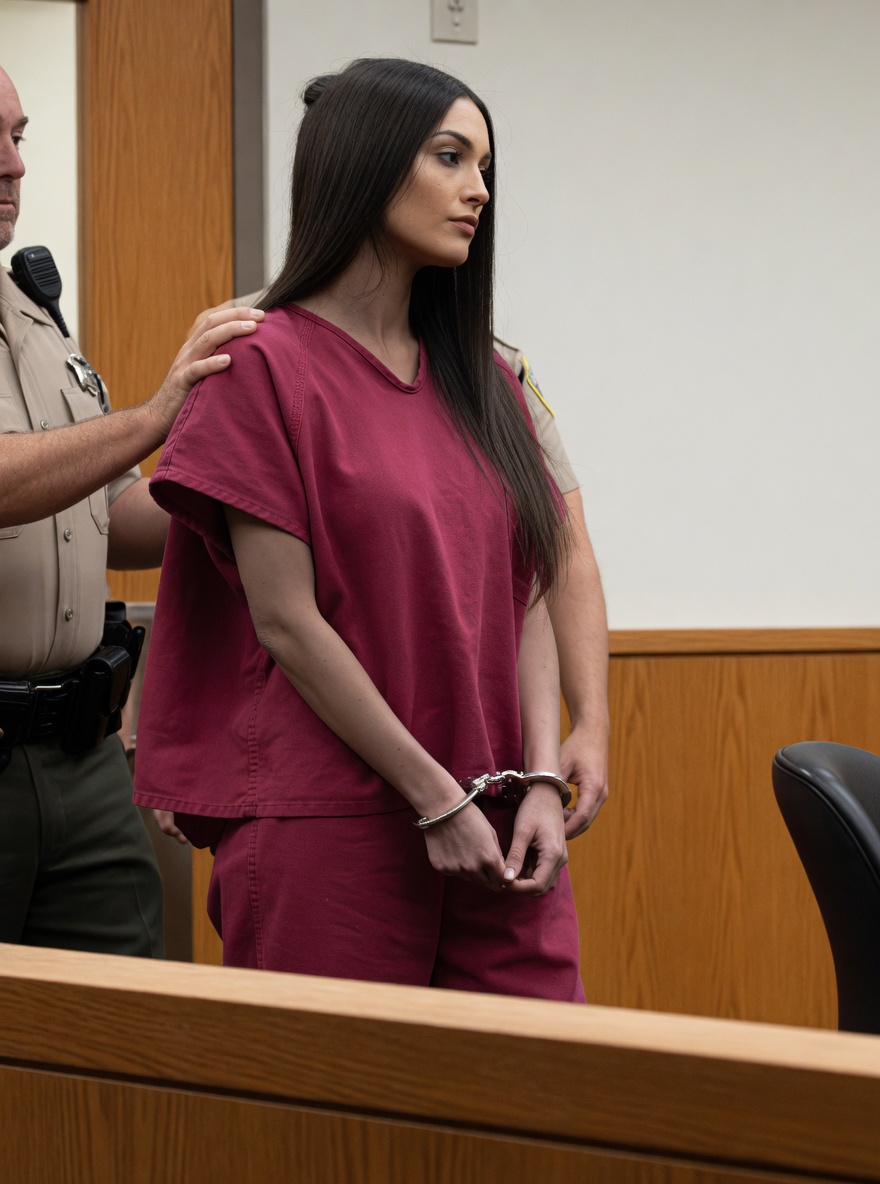
The legal proceedings that followed reflected the seriousness of the allegations. During sentencing, prosecutors emphasized the long-term emotional harm that can occur when trust between students and authority figures is violated. Ultimately, the teacher received a prison sentence totaling 187 years, a punishment intended to reflect both the severity of the crimes and the broader message surrounding accountability and child protection.
Cases like this often reignite national conversations about school oversight, digital communication boundaries, and the role parents and communities play in recognizing warning signs early.
Child safety experts frequently stress that prevention depends not only on school policies, background checks, and reporting systems, but also on adults remaining attentive to changes in behavior, communication patterns, or situations that feel inappropriate or secretive.
In many cases, misconduct continues longer when concerns are ignored, minimized, or left unreported out of uncertainty or fear of being wrong.
That is why authorities and advocacy groups consistently encourage open communication between children, parents, and schools. Creating environments where students feel safe reporting uncomfortable interactions can play a critical role in protecting vulnerable young people.
For many observers, the case serves as a painful reminder that harmful behavior does not always come with obvious warning signs visible to everyone immediately. Sometimes the people who appear most trusted publicly are the ones least suspected.
And sometimes one person’s willingness to speak up changes everything.
The investigation may now be closed legally, but its impact continues shaping conversations about accountability, vigilance, and the shared responsibility communities carry when it comes to protecting children.
What are your thoughts on the importance of parental awareness and school accountability in protecting students? Share your perspective respectfully in the comments below.