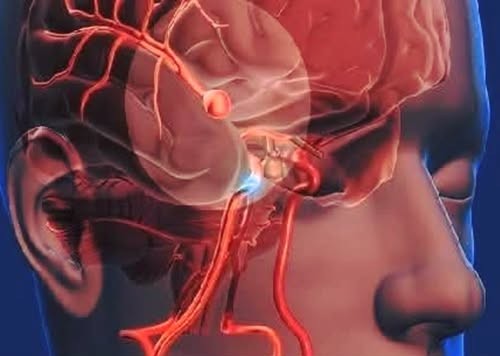
Aneurysms are one of those medical conditions that often stay hidden in plain sight. They can develop quietly over time, without obvious warning signs, which is exactly why they are so frequently misunderstood. Many people assume serious health problems always come with clear symptoms—but aneurysms don’t always follow that pattern.
Because of this silent nature, awareness matters more than fear. Understanding how they develop can help people recognize risk factors and respond appropriately when something unusual occurs.
What an Aneurysm Actually Is
An aneurysm is a weakened area in the wall of a blood vessel. Over time, that weakened spot can stretch or bulge due to normal blood pressure flowing through it.
Blood vessels are built to be flexible and strong, thanks to proteins like collagen and elastin. When these structures are weakened—whether by genetics, health conditions, or long-term stress on the body—the vessel wall becomes more vulnerable.
Why They Can Develop Without Symptoms
One of the most important facts about aneurysms is that they often develop silently. In many cases, a person may feel completely normal while changes are happening internally.
This is because the body doesn’t always signal early vessel weakening. Instead, the condition may progress gradually until the pressure becomes too great or the aneurysm begins to affect nearby structures.
Risk Factors That Can Increase Likelihood
While aneurysms can affect anyone, certain factors can raise the risk:
- Genetic connective tissue conditions
- Family history of aneurysms
- High blood pressure
- Smoking
- Long-term vascular stress
In some cases, inherited conditions like Marfan syndrome or Ehlers–Danlos syndrome can weaken blood vessels from a young age, increasing vulnerability earlier in life than many people expect.
The Myth of “No Symptoms Means No Risk”
Keep reading…