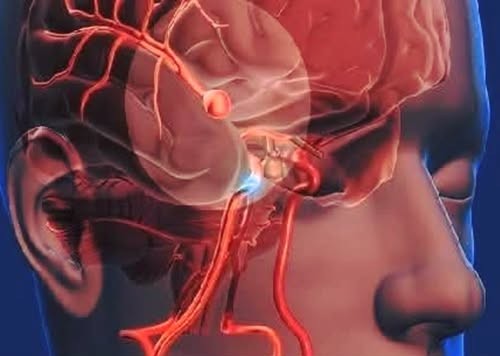
A common misconception is that if you feel fine, everything is fine. With aneurysms, that is not always true.
Many remain stable and harmless for years. Others may slowly grow without causing noticeable changes. Risk depends on size, location, growth rate, and overall vessel health—not just symptoms.
This is why medical monitoring is often important when an aneurysm is detected.
Warning Signs That Should Never Be Ignored
While many aneurysms stay silent, some can produce warning signs—especially if they press on nearby nerves or begin to rupture.
Possible symptoms may include:
- A sudden, extremely severe headache
- Vision changes or double vision
- Drooping eyelid
- Neck stiffness
- Nausea or vomiting
- Confusion or loss of consciousness
A sudden “worst headache of your life” is especially serious and requires immediate emergency care.
What Happens If an Aneurysm Ruptures
If an aneurysm ruptures, it can lead to bleeding around the brain, which is a life-threatening emergency. Symptoms appear suddenly and often intensely.
Rapid medical attention is critical in these situations, as early treatment can significantly impact outcomes.
Can Aneurysms Be Prevented?
Not all aneurysms can be prevented, especially those linked to genetics or natural vessel structure. However, overall risk can often be reduced by:
- Managing blood pressure
- Avoiding smoking
- Maintaining cardiovascular health
- Attending regular medical checkups
Healthy habits support blood vessel strength, even if they don’t eliminate risk completely.
A Condition That Requires Awareness, Not Fear
Aneurysms sit in a unique medical space—they are often silent but potentially serious. That combination makes awareness essential.
Understanding the condition helps people stay informed without becoming fearful. Most importantly, it encourages attention to unusual symptoms and timely medical care when needed.
Final Thought
Knowledge is one of the most powerful tools in health awareness. Recognizing risk factors, understanding warning signs, and staying proactive with medical care can make a real difference.
If you found this helpful, feel free to share your thoughts or experiences in the comments—and stay informed for more clear, easy-to-understand health insights that matter in everyday life.