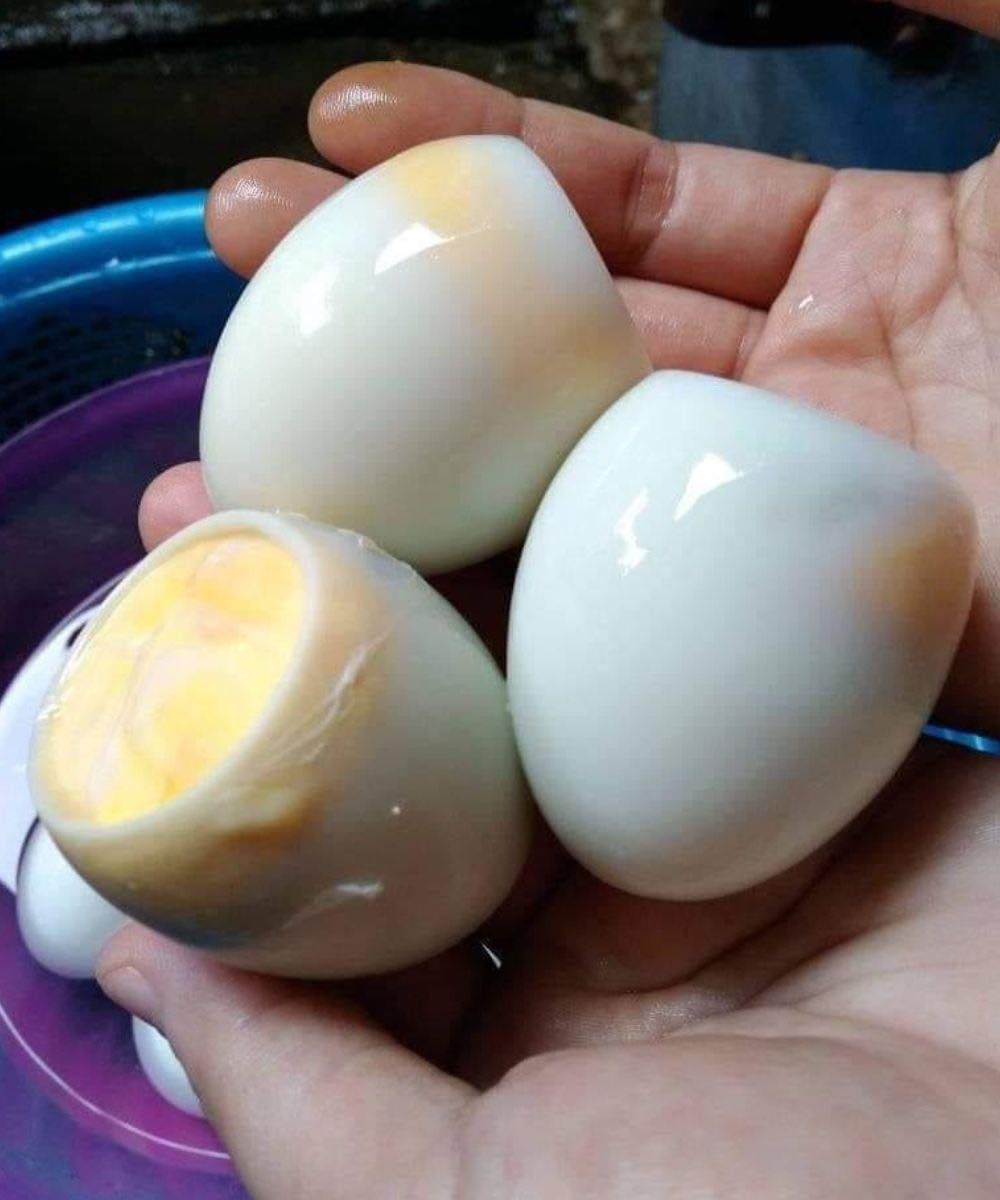
Some groups face higher risks of complications:
- Young children
- Elderly adults
- Pregnant women
- People with weakened immune systems
In these cases, dehydration or severe illness can develop quickly, and professional care may be required.
4. When to See a Doctor
Seek medical attention if you notice:
- High fever (above 101.3°F / 38.5°C)
- Persistent vomiting or diarrhea
- Bloody stools
- Signs of dehydration (dry mouth, dizziness, minimal urination)
- Symptoms lasting more than three days
Serious bacterial infections may require antibiotics or hospital care.
5. Can One Bite Make You Sick?
Even a small bite can trigger illness if the egg was contaminated—but sometimes, you may feel nothing at all if bacteria levels were low. Watch your body for 24–48 hours after eating.
6. How to Care for Yourself
If symptoms are mild:
- Drink plenty of fluids and electrolytes
- Rest
- Stick to light foods like toast, rice, or bananas
- Avoid dairy, caffeine, alcohol, and fatty foods
- Avoid anti-diarrheal meds unless recommended by a doctor
7. Prevent Spoiled Eggs
- Check expiration dates
- Refrigerate at 40°F (4°C) or below
- Float test: fresh eggs sink, bad eggs float
- Discard cracked or foul-smelling eggs
Final Takeaway
Eating a spoiled egg can cause food poisoning, but most cases are manageable at home with rest and hydration. Trust your senses: if it smells off, looks strange, or tastes weird—don’t risk it, throw it out.
Have you ever bitten into a suspicious egg? Share your story or tips for spotting bad eggs in the comments below—let’s keep our breakfasts safe and delicious!