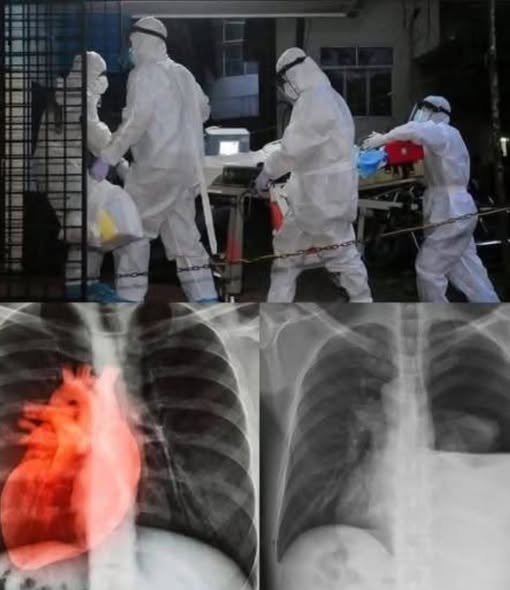
Stanford Study Explores Rare Heart Inflammation Cases After mRNA Vaccination
A small number of rare heart inflammation cases after mRNA COVID-19 vaccination have remained a major question for scientists. Now, researchers at Stanford say they have identified a possible immune pathway that may help explain why this reaction happens in certain people.
The focus is myocarditis, a form of heart inflammation that has been reported rarely after mRNA vaccination, especially among younger males. The condition has drawn attention because it involves the heart, but researchers continue to emphasize that these cases are uncommon and that vaccination benefits remain important for the wider population.
The Stanford team studied blood samples from people who developed myocarditis after vaccination and compared them with samples from vaccinated people who did not develop the condition. Their goal was not to create panic, but to understand why a rare reaction happens in the first place.
Scientists Followed the Immune Clues
The researchers found unusually high activity involving two immune signals: CXCL10 and interferon-gamma. These signals are part of the body’s immune response, but in rare situations, they may help drive inflammation in heart tissue.
That discovery gave scientists a clearer path to investigate. Instead of treating myocarditis as a vague mystery, they were able to follow a more specific chain of immune activity.
Continue reading…