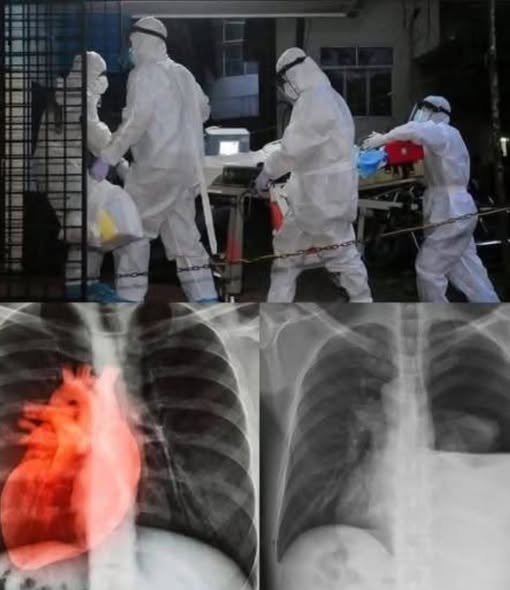
Lab models showed that immune cells, including macrophages and T cells, may amplify this inflammatory response. When that happens, heart-related injury markers can appear, and heart tissue may begin showing signs of stress.
Researchers also observed changes in mouse heart models and human heart-like spheroids, which are lab-grown structures used to study how heart tissue responds under controlled conditions.
Why This Matters
The study does not suggest that myocarditis after vaccination is common. It also does not overturn the broader safety record of mRNA vaccines. Instead, it gives scientists a more detailed look at how rare side effects may develop.
That matters because understanding the exact pathway behind a rare reaction can help researchers design better prevention and treatment strategies in the future.
If scientists know which immune signals are involved, they may eventually be able to reduce harmful inflammation without weakening the useful immune protection that vaccines are meant to provide.
Blocking the Pathway Reduced Inflammation
In lab testing, researchers found that blocking CXCL10 and interferon-gamma reduced inflammation while leaving much of the broader immune response intact.
That is an important detail. A future therapy would need to calm the harmful inflammatory reaction without shutting down the immune system entirely.
The findings are still early, but they point toward the possibility of more targeted treatment options for rare vaccine-related myocarditis cases.
A Soy Compound Showed Lab Effects, But It Is Not a Treatment
The study also examined genistein, a compound found in soy. In lab models, genistein showed anti-inflammatory effects linked to the pathway researchers were studying.
However, that does not mean people should treat myocarditis with soy products or supplements. Lab findings are not the same as medical recommendations. More research would be needed before any treatment claim could be made.
For now, genistein is best understood as a research clue, not a cure.
The Bigger Picture
The main value of the study is that it helps narrow the mystery. Rare myocarditis cases after mRNA vaccination may involve a specific immune chain reaction rather than a broad or random response.
That knowledge could help improve future mRNA vaccines and therapies. It may also help doctors better understand why some people, particularly younger males, appear more vulnerable to this rare reaction.
The research does not argue against vaccination. Instead, it shows how science continues to investigate rare side effects so medical tools can become safer, more precise, and better understood.
In the end, the study offers a clearer look at a rare complication that has raised many questions. The more researchers understand the immune signals behind it, the closer they may get to preventing or treating it more effectively.
What do you think about this new research? Share your thoughts below and join the discussion.