Defense and national security voices have also increasingly linked nuclear technology leadership to broader geopolitical influence and strategic independence.
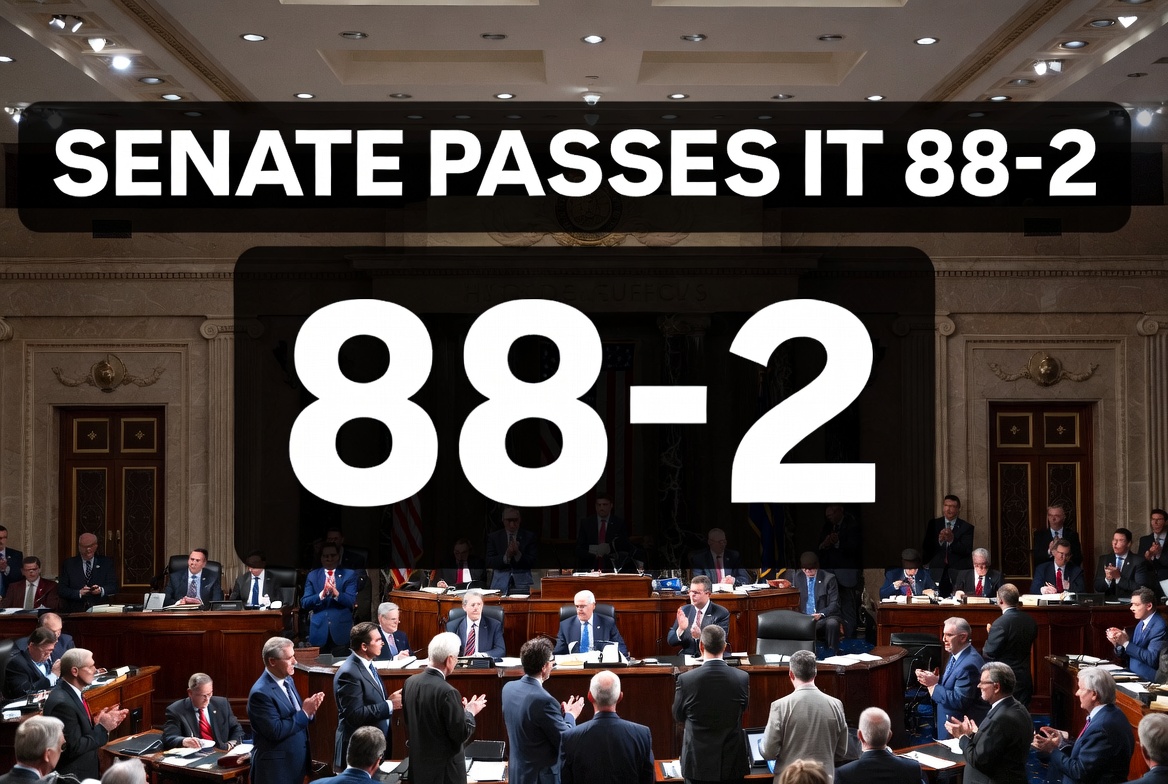
That unusual overlap of interests created the rare bipartisan coalition responsible for the Senate’s lopsided vote.
Yet outside Washington, the debate remains deeply emotional and far less unified.
Environmental organizations themselves remain sharply divided over nuclear power. Some climate activists now view advanced nuclear technology as an essential tool for reducing emissions quickly enough to address global warming concerns. Others continue warning about radioactive waste, accident risks, long-term storage challenges, and the historical consequences of nuclear disasters that permanently shaped public fear around the industry.
Communities already hosting nuclear facilities often carry additional concerns.
Residents in some regions question whether promises surrounding safety, oversight, and waste management can truly keep pace with rapid expansion efforts. Others worry accelerated approvals could prioritize speed over caution in ways that eventually create unintended consequences.
That tension now sits directly in front of President Biden.
His decision involves more than signing or rejecting legislation. It represents a larger political gamble about how aggressively America should pursue nuclear expansion while balancing climate urgency, economic competition, environmental concerns, and public trust.
Energy experts note that modern reactor technology differs significantly from older designs associated with past disasters, but skepticism remains powerful because nuclear energy debates have always involved more than engineering alone.
They involve fear.
Trust.
Risk tolerance.
And competing visions of what the future should look like.
For supporters, this bill represents momentum toward cleaner energy and technological leadership.
For critics, it raises fears about long-term consequences future generations may inherit.
Either way, the Senate vote signals something increasingly rare in modern politics: a major shift supported across ideological lines because multiple groups believe the stakes have become too high to ignore.
Now the nation waits to see whether the White House agrees.
Do you believe nuclear energy should play a larger role in America’s future energy strategy? Share your thoughts respectfully in the comments below.