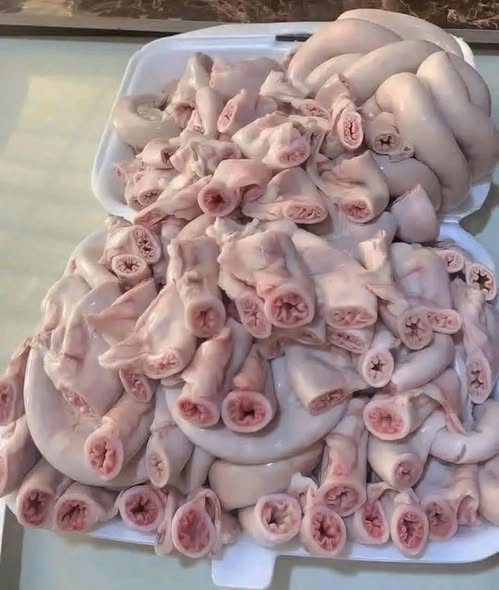
As consumer demand grew over the years, food manufacturers adapted their production methods to make products last longer, look fresher, and stay visually appealing on store shelves. The result is a system where appearance plays a major role in purchasing decisions.
One of the most common additions to packaged meat is water. In many processed products, water is injected to improve texture and increase weight. While this can help keep meat juicy, it may also mean consumers are paying more for added liquid rather than pure protein.
Sodium is another key ingredient widely used throughout the industry. Salt not only enhances flavor but also acts as a preservative, helping products remain shelf-stable for longer periods. However, some processed meats contain surprisingly high sodium levels, which is why checking nutrition labels has become increasingly important for health-conscious shoppers.
Preservatives like nitrates and nitrites are also frequently used in cured meats such as sausages, bacon, and deli slices. These ingredients help maintain color and freshness, giving products that bright, appealing look many customers associate with quality. In reality, color alone is not always an accurate indicator of freshness.
Flavor enhancers and fillers are commonly added as well. Some products include starches, seasonings, or proteins from alternative sources to improve taste and texture while reducing manufacturing costs. The final product may still resemble traditional meat, but it is often more processed than many people realize.
None of this automatically makes processed meat dangerous. Most additives used in food production are regulated and approved for consumption. The bigger concern is transparency and consumer awareness.
Many shoppers make decisions based on packaging, color, and marketing terms without fully understanding what is actually inside the product.
Words like “premium,” “farm fresh,” “natural,” and “juicy” are designed to attract attention and build trust. However, these labels do not always guarantee superior quality or minimal processing. In many cases, the real details are found in the ingredient list and nutrition panel on the back of the package.
Visual presentation also plays a powerful psychological role. Strategic lighting, clear wrapping, and carefully arranged displays are all designed to make products look fresher and more appealing. Food marketing is heavily driven by appearance because companies know customers often buy with their eyes first.
That’s why reading labels matters more than ever.
Checking ingredients, comparing sodium levels, and understanding the difference between fresh and processed meat can help consumers make more informed decisions. Fresh cuts generally contain fewer additives and remain closer to their natural state, while processed products are designed for convenience and extended shelf life.
This doesn’t mean people need to avoid processed foods entirely. Balance and moderation are key. Convenience foods can still fit into a healthy lifestyle when consumed thoughtfully and in reasonable amounts.
The most important takeaway is awareness.
Understanding how food is produced empowers consumers to make smarter choices without fear or confusion. The more informed shoppers become, the more pressure companies face to improve transparency and provide clearer labeling.
The next time you stand in front of a perfectly arranged meat display, you may look at it differently. What seems simple at first glance often involves far more processing, marketing, and preparation behind the scenes.
And sometimes, the smartest shopping decisions begin with asking one simple question: what am I really buying?
Have you ever been surprised by what was listed on a food label? Share your thoughts and shopping tips in the comments below.