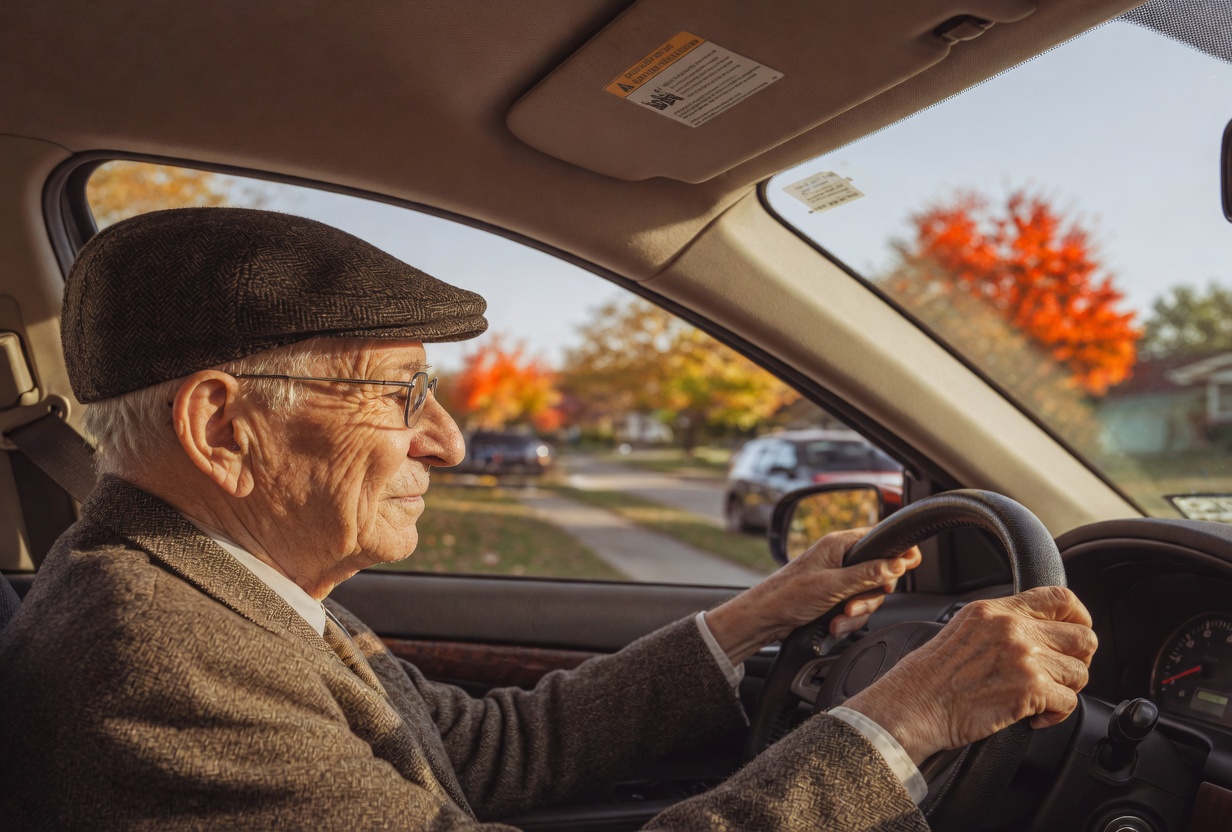
Senior Driving Safety Debate Intensifies as Aging Populations Continue Growing
As populations continue aging around the world, one sensitive question is becoming increasingly difficult to ignore:
At what point should age impact a person’s ability to drive?
For millions of older adults, driving represents far more than transportation. It symbolizes independence, freedom, mobility, and connection to everyday life. But as natural aging affects vision, reflexes, and reaction time, communities are facing growing conversations about how to balance personal freedom with road safety.
The debate has become especially urgent following several high-profile accidents involving elderly drivers, reigniting public concern over whether stronger safeguards may eventually become necessary.
A Tragic Accident Sparked Renewed Discussion
A recent incident in La Rochelle brought the issue back into national focus after an 83-year-old driver reportedly traveled the wrong way and collided with a group of children riding bicycles.
Several children were injured in the accident, and the incident quickly triggered widespread debate surrounding senior driving safety, medical evaluations, and public responsibility.
While many emphasized that one accident should not define all older drivers, others questioned whether aging-related limitations sometimes go unnoticed until tragedy occurs.
Age Alone Does Not Define Driving Ability
Experts consistently stress that age itself is not the sole factor determining whether someone is a safe driver.
Many seniors remain highly capable behind the wheel well into their later years, while younger drivers may struggle with distraction, recklessness, or inexperience.
However, medical professionals acknowledge that aging can gradually affect:
- Reaction speed
- Peripheral vision
- Depth perception
Keep reading…