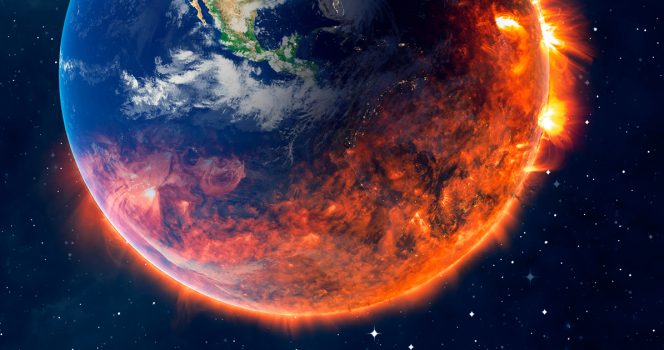
On the Diary Of A CEO podcast, Jacobsen explained that a full-scale nuclear war could kill billions of people in the first hours. “Most of the mid-latitudes would be covered in snow for years. Agriculture would fail, and many would be forced to live underground due to radiation and ozone layer damage,” she said.
Jacobsen, together with climate expert Professor Brian Toon, identified that only a few countries might be able to sustain life and agriculture in such extreme conditions. Their analysis suggests that New Zealand and Australia would be the most resilient due to their geography, climate, and agricultural capacity.
Other countries that could be relatively safer include Switzerland, Iceland, South Africa, Tuvalu, and Chile. These nations are largely isolated from major global conflict zones, do not currently possess nuclear weapons, and have the ability to support local food production.
Experts caution that survival in these regions would still depend on careful preparation, infrastructure, and access to resources. While the scenario is extreme, the discussion highlights the global consequences of nuclear escalation and the importance of international cooperation to prevent conflict.
The threat of nuclear warfare remains a serious topic of debate among governments and experts worldwide. Awareness, preparedness, and diplomacy are key to minimizing risks and ensuring long-term safety for all nations.