
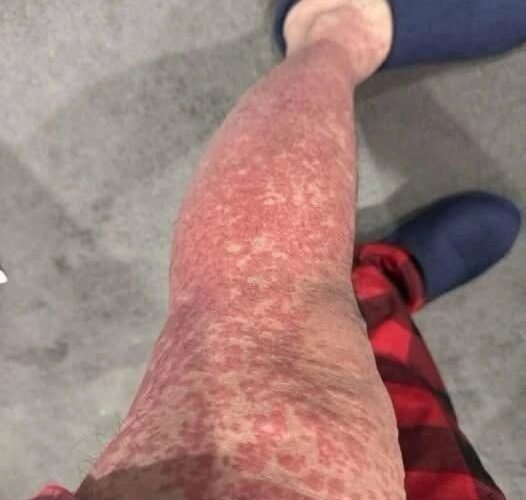

If the skin becomes damaged, microorganisms can also have an easier opportunity to cause problems.
The risk varies from person to person.
What About Fungal Problems?
Warm, moist environments can encourage the growth of certain fungi.
That’s one reason foot-care advice often emphasizes keeping feet clean and dry, particularly between the toes.
However, damp socks alone don’t mean that someone will develop a fungal infection. Other factors, including existing skin conditions, footwear, hygiene, and individual susceptibility, can also play a role.
Some People Need to Be More Careful
People with certain health conditions may need to pay particular attention to foot care.
For example, people with diabetes can be more vulnerable to foot complications, especially when circulation or sensation is affected.
Those with eczema or easily irritated skin may also find prolonged moisture uncomfortable.
If you have a condition that affects your feet, circulation, sensation, or ability to heal normally, follow the foot-care advice provided by your healthcare professional.
Fresh, Dry Socks Are a Simple Choice
If your socks are damp before bedtime, changing into a clean, dry pair is an easy way to reduce prolonged moisture against the skin.
It’s also helpful to allow shoes and other footwear to dry completely before wearing them again.
Keeping the feet clean and drying carefully after washing—especially between the toes—can also support healthy skin.
These are simple habits, but they can make nighttime comfort much better.
When Should You Get Medical Advice?
Most mild irritation will not be a medical emergency.
However, persistent or worsening skin changes deserve attention.
Consider seeking medical advice if you notice:
- Increasing redness or swelling
- Significant pain or warmth
- Blisters or open areas
- Pus or other drainage
- A spreading rash
- Persistent itching or skin changes
- A wound that isn’t healing normally
People with diabetes or conditions affecting circulation or sensation should be especially cautious about unexplained foot problems.
The Bottom Line
Sleeping in damp socks isn’t automatically dangerous, but leaving wet fabric against your skin for hours can contribute to irritation and create a more favorable environment for certain skin problems.
The simple solution is usually straightforward: change out of wet socks, keep your feet clean and dry, and pay attention to persistent changes in your skin.
A small bedtime habit can be easy to change—and comfortable, dry feet can make for a much better night’s sleep.
Health note: This article provides general information and isn’t a diagnosis or substitute for medical care. If you develop persistent, severe, or worsening skin symptoms, consult a qualified healthcare professional.