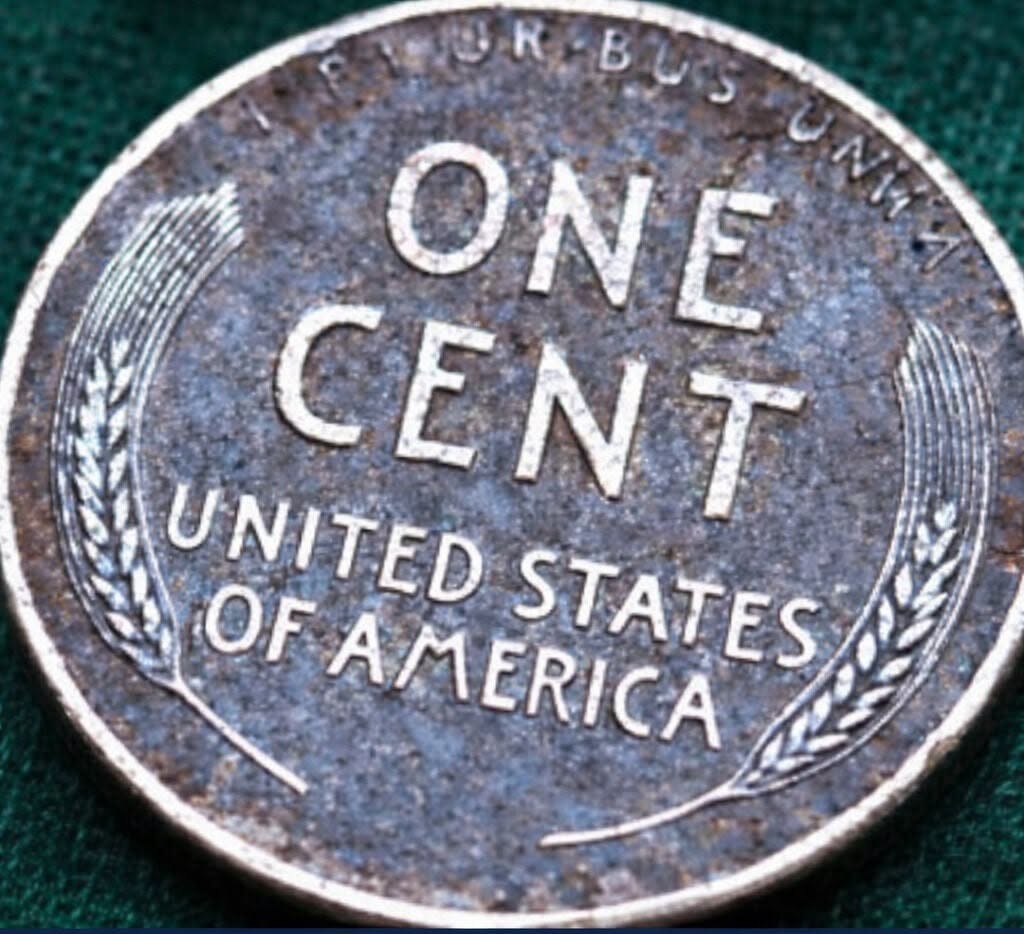
Those accidental coins have since become some of the most sought-after errors in American numismatic history.
Today, only a small number of authentic 1943 bronze cents are known to exist. Depending on their condition, rarity, and authentication, some have sold for tens of thousands or even hundreds of thousands of dollars at auction.
Of course, that doesn’t mean every brown 1943 penny is valuable.
Counterfeits and altered coins do exist, which is why professional authentication is essential before assuming you’ve found a rare treasure. Collectors often perform simple preliminary checks, such as using a magnet. Most 1943 steel pennies are magnetic, while a genuine bronze version is not. However, passing or failing that test alone does not confirm authenticity.
If you ever discover a copper-colored 1943 penny, it’s worth having it examined by a reputable coin grading service or experienced coin dealer before making any conclusions.
Part of the excitement comes from the possibility that remarkable discoveries can still happen.
Rare coins have reportedly surfaced in inherited collections, forgotten jars of spare change, estate sales, and old family keepsake boxes. While such finds are uncommon, they remind us that history sometimes hides in the smallest places.
Whether or not you ever uncover a valuable coin, the story of the 1943 bronze cent is a fascinating reminder that tiny details can make an enormous difference.
A single date.
A different metal.
One small manufacturing mistake.
Together, they transformed an everyday penny into one of the most celebrated collectibles in American history.
So before you dismiss that handful of old coins as pocket change, take a closer look. You may not uncover a six-figure rarity—but you’ll gain a greater appreciation for the stories that even the smallest pieces of history can hold.
Have you ever found an unusual coin or old collectible? Share your story in the comments, and don’t forget to check that spare change—you never know what piece of history might be hiding in plain sight.