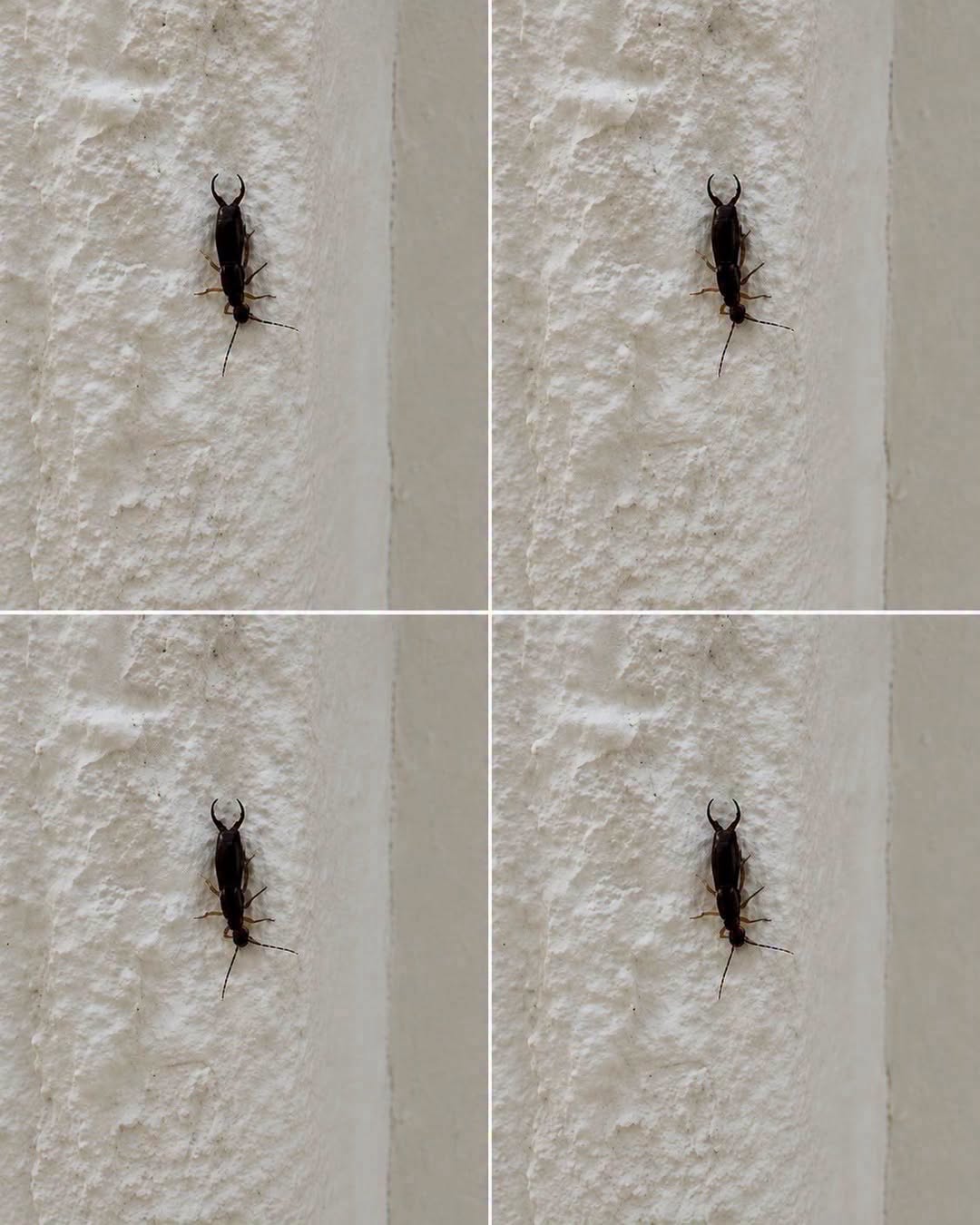
Once you know—or have a good idea of—what the insect is, inspect its surroundings.
Check beneath sinks for moisture. Look around pipes and drains for small leaks. Examine window frames and doorways for gaps. In kitchens, wipe away crumbs and food residue, and keep pantry items properly sealed.
Don’t forget the less obvious areas.
Stacks of cardboard, unused containers, piles of leaves near the exterior, and damp corners can create comfortable hiding places for insects. Outdoor conditions can matter too, especially when vegetation sits close to walls or entry points.
Make Your Home Less Inviting
You don’t need to turn your house upside down after spotting one bug.
Instead, focus on simple prevention. Clean problem areas, repair leaks, reduce unnecessary clutter, seal cracks around likely entry points, and keep doors and windows properly screened when possible.
If insects keep returning despite these steps, or you begin seeing them in larger numbers, consider contacting a qualified pest-control professional for an appropriate inspection.
The important lesson is simple: one insect doesn’t automatically equal an infestation—but it can be a reason to pay attention.
The next time something unexpected appears on your wall, don’t panic. Identify it, check the surroundings, and look for the conditions that may have attracted it.
Have you ever found a strange insect inside your home and wondered where it came from? Tell us what you spotted in the comments—your experience might help another reader.