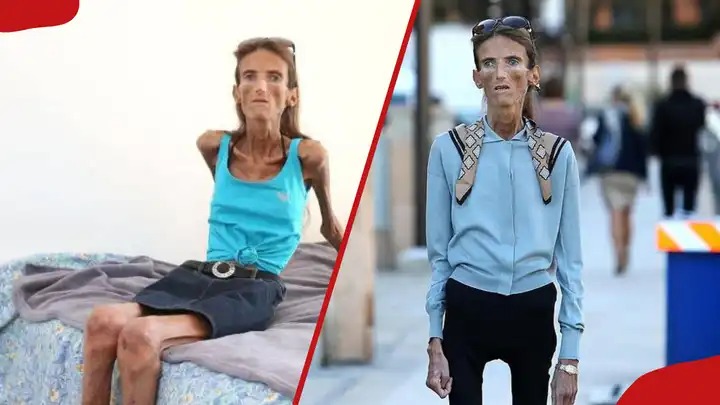
Valeria Levitin’s story drew attention for a reason many people first misunderstood. Media coverage often focused on her extremely thin appearance, but the message she shared was not one of admiration or imitation. It was a warning about the damage that unhealthy beauty standards, extreme dieting, and distorted self-image can cause.
Reports about Levitin described her experience with severe weight loss and an eating disorder. What made the story even more unsettling was that she reportedly received fan mail from people who wanted to look like her. Instead of accepting that attention as praise, she used it to speak more openly about the risks of chasing an appearance at the expense of health.
Her experience remains relevant because body image pressure has not disappeared. If anything, social platforms, edited photos, and constant comparison have made the subject harder for many people to escape.
Why Her Story Still Matters
Body image is not simply about how someone looks. It is about how a person sees, judges, and feels about their own body. That perception can affect confidence, mental well-being, relationships, and day-to-day quality of life.