Beauty ideals have changed across cultures and generations, but the pressure to meet a certain standard has remained familiar. Today, people are exposed to a nonstop stream of images through phones, social media feeds, celebrity coverage, advertising, and entertainment. Some of those images are positive. Others can create unrealistic expectations about weight, shape, skin, age, and overall appearance.
Health professionals often remind people that public images do not always reflect ordinary life. Lighting, posing, editing, filters, styling, and selective posting can shape what viewers see. When those images become the standard people compare themselves to, dissatisfaction can grow quickly.
That is one of the central lessons in Levitin’s story: another person’s body should never become a blueprint for your own. Every body is shaped by genetics, lifestyle, medical history, environment, and many other factors. Trying to copy someone else’s appearance can be harmful, especially when the image being admired is connected to illness or suffering.
Eating Disorders Are Health Conditions, Not Trends
Eating disorders are complex health conditions involving emotional, psychological, and behavioral factors. They are not simply about food, weight, or willpower. For some people, they may be connected to anxiety, control, self-worth, trauma, or other mental health struggles.
Public awareness matters because misconceptions can make it harder for people to seek help. Shame and stigma often keep individuals silent, even when they are struggling. Open, careful conversations can make support feel more reachable.
Early recognition and professional care can play an important role in recovery. Anyone concerned about eating habits, extreme weight changes, obsessive body checking, compulsive exercise, or persistent distress about appearance should consider speaking with a qualified healthcare professional. Trusted resources such as the World Health Organization, the National Institute of Mental Health, the National Eating Disorders Association, and the American Psychological Association also provide educational information about mental health and body image.
It is also important for friends, relatives, teachers, and communities to respond with compassion. Comments that shame a person’s body rarely help. Supportive conversations, patience, and encouragement to seek appropriate care can make a meaningful difference.
The Bigger Picture
In recent years, more organizations, brands, and public figures have promoted broader ideas of health and beauty. Campaigns increasingly highlight diversity, authenticity, and the idea that healthy bodies do not all look the same.
That shift is important, but it does not erase the pressure many people still feel. A healthier approach focuses less on reaching a specific look and more on supporting the body and mind. Balanced nutrition, safe movement, rest, self-respect, and supportive relationships are all part of overall wellness.
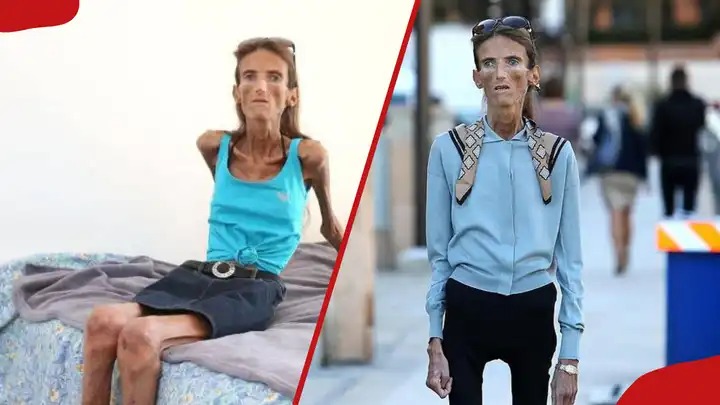
Levitin’s story is often remembered because of how extreme it appeared in headlines. But the more important part is what she tried to communicate afterward: her condition was not something to copy. It was a painful example of what can happen when appearance is valued above well-being.
Her experience remains a reminder that health cannot be measured by a photo, a clothing size, or a number on a scale. In a world full of comparisons, the better question is not how closely someone matches an ideal, but whether they are safe, supported, and able to live with dignity.
Stories like this are worth revisiting because they encourage a more compassionate conversation about bodies, health, and the quiet pressure many people carry.