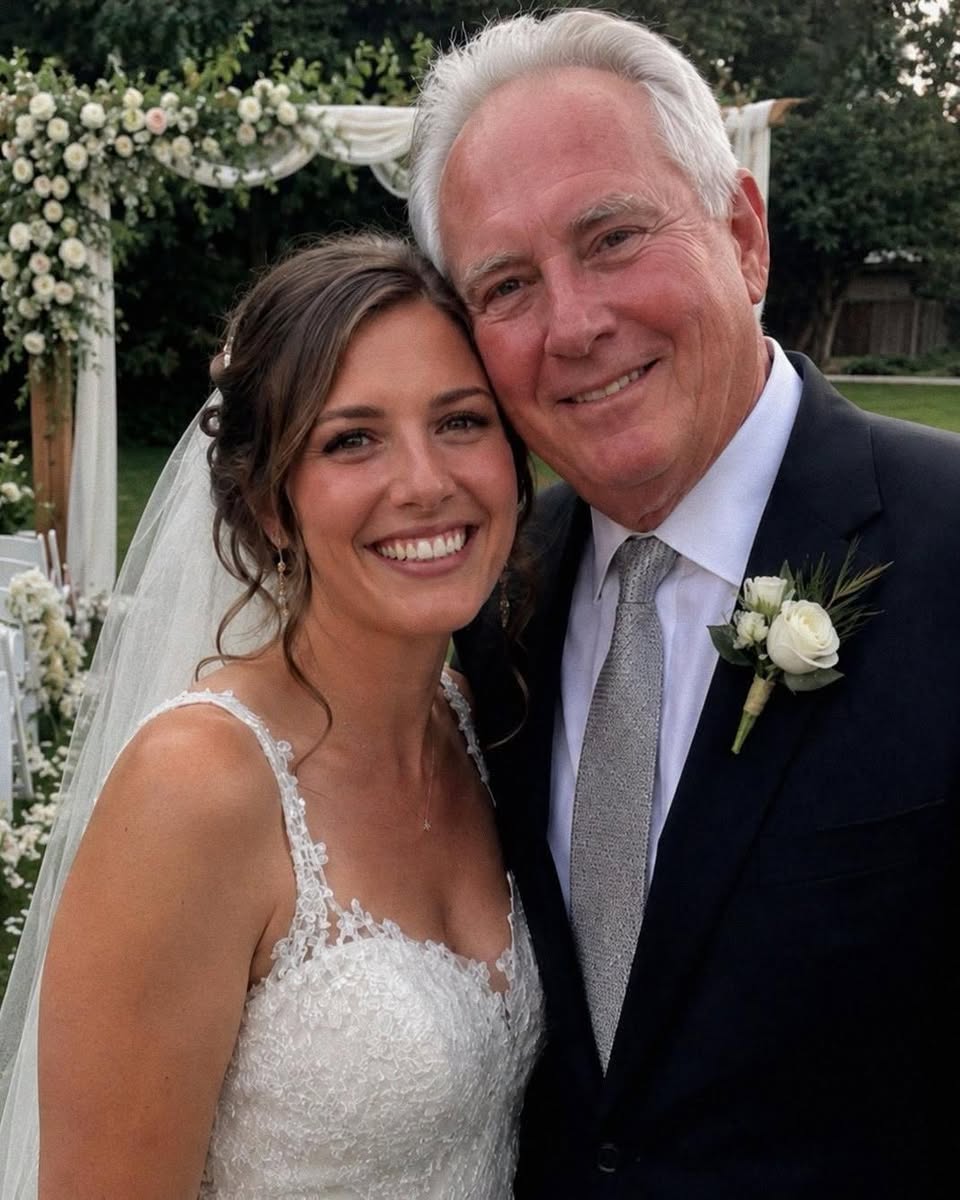
His daughter folded her arms. His son leaned back with a satisfied look, as if the contents of the box would finally confirm everything they had been saying for years.
But Russell had left one more truth behind.
The Letter No One Expected
Her hands trembled as she opened the letter. Russell’s words began plainly: if she was reading it, he was gone.
He wrote that he knew exactly what people thought of their marriage. Some believed she had used him. Others believed he had been too lonely or too foolish to understand her motives.
But Russell said he had seen more than anyone realized.
He remembered the day they met, when she accidentally spilled champagne on his jacket and immediately offered to pay for the cleaning. She did not have money to spare, but she still tried to make it right.
That moment stayed with him.
He also remembered what she did not ask. She never asked about his fortune. Instead, she asked how he had been sleeping after losing his wife.
Russell wrote that no one had asked him that in years.
By then, she was crying. Even the lawyer quietly handed her a tissue while Russell’s children began to look less certain than they had moments before.
The letter continued. Russell acknowledged that she had married him during a desperate season of her life, when survival had become difficult. But he did not describe that as betrayal. He described it as honesty.
What mattered to him was what happened afterward.
She stayed when she no longer had to. She sat beside him through failed treatments. She held his hand. She laughed at his jokes when there was little left to laugh about. She gave him companionship at a time when wealth could not protect him from loneliness, illness, or fear.
The Inheritance Was Not What They Thought
After the letter was read, the lawyer opened a folder that had remained closed on the table.
Russell’s family home, investment accounts, and business interests had been divided among his children. For a moment, his daughter seemed relieved. The assets they had expected were still going to them.
Then the lawyer explained that Russell had kept one important asset separate from the rest of his estate.
Years earlier, he had created a charitable foundation. Its purpose was to provide emergency financial assistance to widows, single parents, and families facing sudden medical crises.
It had been built quietly. There were no public speeches, no grand announcements, and no effort to be praised for it.
Russell had chosen one person to continue the work.
His widow.
The brass key in the box opened locker 214 at Ashton Private Bank. Inside, Russell had left photographs, journals, letters from people he had helped anonymously, and the documents connected to the foundation.
There were instructions, too. Every grant had to be reviewed personally. Every family had to be treated with dignity. No one who needed help was to be made to feel ashamed.
For Russell, this was not just estate planning. It was a final act of trust.
The Bigger Picture
Stories about inheritance often focus on who receives the house, the accounts, the business interests, or the most valuable possessions. But Russell’s final decision pointed to something more complicated than money.
He did provide for his children. At the same time, he separated his charitable work from the family estate and placed it in the hands of the person he believed understood its purpose best.
That choice revealed what he valued in his final years: not status, not appearances, and not the approval of relatives who had already judged his marriage.
He valued compassion, loyalty, and the ability to see people in moments when they had nothing left to offer in return.
Years later, the foundation had helped hundreds of families. Each year on Russell’s birthday, his widow visited his grave with fresh flowers and letters from people whose lives had been changed by his generosity.
At last, she understood the meaning of his final promise. People had assumed he meant she would receive money. What he actually left her was a mission, a legacy, and the chance to carry forward the kindness he had kept private for so long.
Sometimes the richest inheritance is not the one a family expects to find in a will.