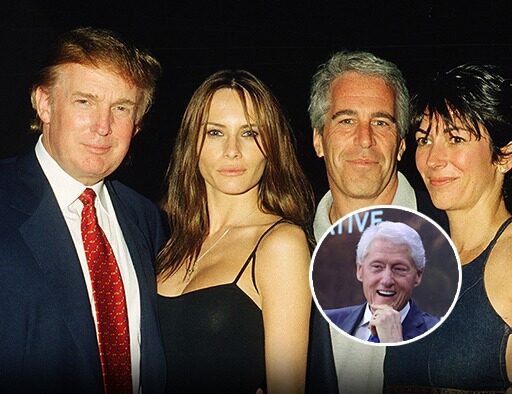
During the 1990s and early 2000s, Trump and Epstein moved in overlapping social circles in New York and Palm Beach. They attended parties, charity events, and social gatherings together, including at Trump’s Mar-a-Lago estate in Florida. Public records and photographs from the period show the two men interacting frequently, reflecting the network of wealthy and influential acquaintances they shared.
A 2002 interview with New York Magazine saw Trump describe Epstein as a “friendly acquaintance,” noting:
“He’s a lot of fun to be with. It is even said that he likes beautiful women as much as I do, and many of them are on the younger side.”
At the time, Epstein held a membership at Mar-a-Lago, which was later terminated in 2007—just a year before Epstein pleaded guilty to solicitation charges in Florida. Trump publicly stated years later that he had not spoken to Epstein in over a decade, emphasizing the two had fallen out long before Epstein’s 2019 federal arrest.
Administration Statements on the Split
Trump administration officials have consistently framed the end of the relationship as a response to Epstein’s behavior. White House communications director Steven Cheung said Epstein was removed from Mar-a-Lago because he was “a creep,” citing concerns about staff safety. Press Secretary Karoline Leavitt later reiterated that Trump had severed ties due to Epstein’s criminal conduct.
Clinton’s testimony adds a contrasting narrative, suggesting that Trump once attributed the falling-out to a real estate dispute in Palm Beach. In 2004, both men competed for a mansion in the area, with Trump ultimately acquiring the property. Following this transaction, interactions between the two reportedly declined.
Renewed Debate Over Past Associations
This new account from Clinton underscores the ongoing scrutiny of Epstein’s connections with prominent figures. While Trump and his supporters have maintained that the split was tied to Epstein’s criminal behavior, Clinton’s version highlights that personal and business dynamics may also have played a role.
The testimony has reignited discussion in both political and media circles about how high-profile relationships evolve over time and how different accounts can shape public perception years later. Observers note that even decades-old interactions among influential individuals can carry lasting relevance in legal and political contexts.
Why It Matters
The story illustrates the complex interplay between personal relationships, public statements, and historical record. Clinton’s testimony does not allege misconduct but raises questions about the narrative presented publicly versus privately. It also serves as a reminder that connections among powerful figures often remain under scrutiny long after the events themselves.
As the debate continues, this latest insight into Trump and Epstein’s history shows how a single conversation can reignite public and political interest years later. Stay informed and share your thoughts—history often unfolds in unexpected ways.