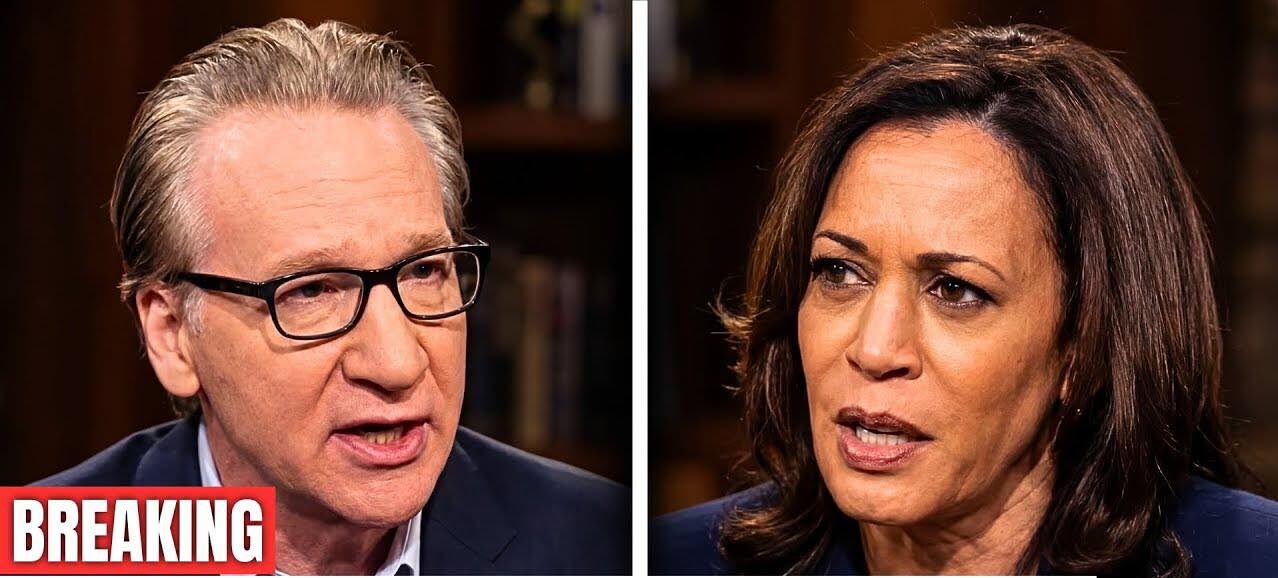
He argued that emotional branding—emphasizing trauma, grievance, and victimhood—is now a central part of Democratic strategy, but one that risks alienating undecided voters. According to Maher, voters are not asking for perfection. They want honesty, strategic clarity, and leaders willing to risk confrontation in pursuit of results. By cloaking tactical decisions in therapeutic language, Democrats may appear compassionate within their echo chambers but ineffective in broader political arenas.
Maher also highlighted a generational and cultural divide within the party. While progressive voters may resonate with narratives of structural oppression or systemic bias, Maher argued that excessive reliance on these narratives can lead to political insulation. By avoiding uncomfortable audiences and uncomfortable questions, the party risks mistaking emotional validation for influence. Democracy, he stressed, rewards engagement, courage, and presence—not just righteousness or outrage.
Importantly, Maher framed his critique as strategic rather than personal. He did not argue for abandoning progressive values. Instead, he urged Democrats to defend their principles more effectively: by engaging opponents directly, addressing criticisms head-on, and demonstrating competence alongside conviction. According to Maher, moral certainty without operational skill is insufficient; persuasion, accountability, and adaptive strategies remain crucial to winning elections and maintaining legitimacy.
Maher’s comments have sparked a polarized reaction. Many liberals praised him for articulating frustrations long felt but rarely voiced publicly. Critics accused him of singling out Harris unfairly or of being dismissive of structural barriers women and minorities face in politics. Yet even detractors conceded the discomfort of Maher’s message: it exposed a widespread, simmering concern that the Democratic Party sometimes confuses moral authority with political effectiveness.
In closing, Maher offered a warning: if Democrats continue to avoid hard conversations, evade challenging spaces, and rely on narratives of victimhood, they risk further stagnation. Power comes with responsibility, he reminded viewers, and a party holding resources, institutional control, and cultural influence cannot credibly portray itself as powerless. Leadership demands engagement, accountability, and strategic courage.
Whether one agrees with Maher or not, his monologue cut through political noise by questioning a convenient narrative. In a climate dominated by social media outrage, partisan echo chambers, and performative statements, Maher’s message was a stark call to action: Democrats must trade comfort for confrontation, self-validation for persuasion, and theatrical empathy for practical results—or risk losing ground to those who show up.
What do you think—are Democrats failing to show up where it matters most, or is Maher being too critical? Share your thoughts below!