Running an air conditioner while a window or exterior door remains open can waste a considerable amount of cooling.
Cold air escapes while warm outdoor air continues to enter. The unit then operates longer in an attempt to compensate for the constant heat gain.
Even a powerful air conditioner may struggle to maintain the selected temperature under these conditions.
Keeping doors and windows closed helps contain the cooled air.
It is also helpful to close doors leading to unused rooms. Cooling a larger area than necessary can increase energy consumption, particularly when the unit was designed for a smaller space.
Small gaps around windows and doors may also allow warm air to enter. Weatherstripping or simple sealing improvements can reduce this heat exchange.
Mistake 6: Ignoring Direct Sunlight
Sunlight streaming through windows can heat a room more quickly than many people realize.
Floors, furniture, walls, and other surfaces absorb solar heat and release it into the room. The air conditioner must then remove that additional warmth.
Closing blinds, curtains, or shades during the hottest part of the day can reduce the amount of heat entering the home.
This is particularly useful in rooms with large windows or strong afternoon sunlight.
Light-colored or heat-reducing window coverings may provide additional protection, but even ordinary curtains can help.
Preventing a room from becoming excessively hot is generally easier than trying to cool it afterward.
Mistake 7: Forgetting to Clean the Filters
A dirty filter is one of the most common causes of reduced airflow.
Air-conditioner filters collect dust, hair, and other particles as air moves through the unit. Over time, this buildup can restrict circulation.
When airflow becomes weaker, the system may take longer to cool the room. Some users respond by lowering the thermostat, but this does not solve the underlying issue.
Cleaning the filters regularly can help maintain performance.
During periods of frequent use, filters may need to be checked every few weeks. Homes with pets, smokers, construction dust, or high levels of airborne particles may require more frequent cleaning.
The correct method varies by model, so the manufacturer’s instructions should always be followed.
Before opening or cleaning the unit, it should be turned off safely.
A clean filter may improve airflow, support more consistent cooling, and reduce unnecessary pressure on the system.
Mistake 8: Waiting Until the Unit Stops Working Before Servicing It
Many homeowners contact a technician only after the air conditioner begins making unusual noises, leaking water, or failing to cool.
By that stage, a minor issue may already have developed into a more expensive problem.
Routine professional maintenance can help identify blocked drainage lines, dirty internal coils, worn components, refrigerant concerns, or electrical issues before they cause a complete breakdown.
The appropriate servicing schedule depends on the model, local environment, and frequency of use. A system that operates throughout most of the year may need more attention than one used for only a few months.
Owners should follow the manufacturer’s maintenance recommendations and use a qualified technician when professional inspection is required.
A properly maintained unit is more likely to cool effectively without running longer than necessary.
Mistake 9: Using an Air Conditioner That Is Too Small or Too Large
The size of an air conditioner matters.
A unit that is too small for the room may run almost continuously while struggling to reach the selected temperature.
A system that is much too large may cool the air quickly but switch cycles frequently, potentially leading to uneven comfort and inadequate moisture removal.
Room size is only one factor. Ceiling height, insulation, sunlight exposure, windows, occupancy, and heat-producing appliances also affect the required cooling capacity.
When purchasing a new air conditioner, professional sizing can help avoid unnecessary energy use and poor performance.
Choosing the most powerful model is not always the most efficient decision.
Mistake 10: Overlooking Heat-Producing Appliances
Air conditioners must remove heat generated inside the home as well as heat entering from outdoors.
Ovens, stovetops, clothes dryers, computers, televisions, and bright lighting can all contribute to indoor warmth.
Using an oven during the hottest afternoon hours may force the cooling system to work harder.
Whenever practical, households can move heat-producing activities to cooler parts of the day. Preparing meals earlier, using smaller appliances, or turning off unused electronics may help limit indoor heat buildup.
Each individual change may seem small, but several changes combined can reduce the cooling demand placed on the system.
Efficiency Is More Important Than Extreme Settings
Many people believe the only way to reduce air-conditioning costs is to use the appliance as little as possible.
Reducing unnecessary use certainly helps, but efficient operation is equally important.
A poorly maintained unit with blocked airflow may consume more electricity while providing less comfort. A clean, correctly sized system operating at a reasonable temperature may perform far better.
The most effective strategy usually combines several habits:
- Select a comfortable but moderate temperature
- Keep cooled rooms closed
- Block strong sunlight
- Use fans to improve circulation
- Clean filters regularly
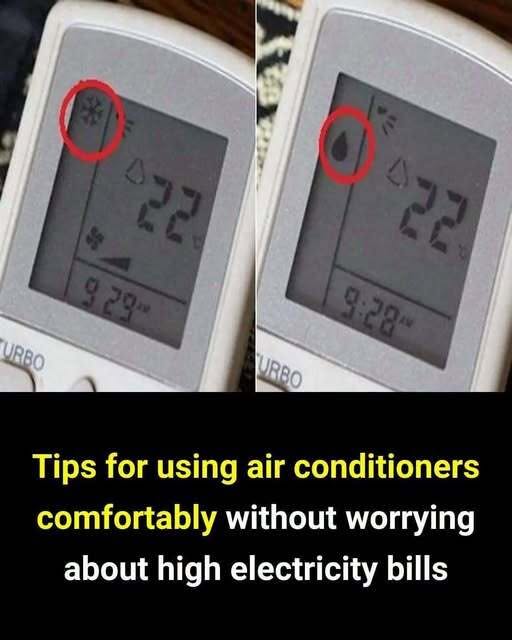
- Choose the correct operating mode
- Schedule maintenance when needed
No single adjustment is likely to transform an electricity bill overnight. However, several small improvements repeated throughout the summer can add up.
Staying Cool Without an Unpleasant Surprise
High summer temperatures will inevitably increase cooling demand in many homes.
Still, not every increase in electricity use is unavoidable.
Extremely low thermostat settings, poor airflow, dirty filters, open windows, and direct sunlight can all make an air conditioner work harder than necessary.
By managing these factors, households may improve comfort while placing less strain on both the appliance and the monthly budget.
The aim is not to avoid using air conditioning when it is genuinely needed.
It is to use it thoughtfully.
A comfortable temperature, steady airflow, regular maintenance, and sensible heat control can help families enjoy a cooler home without dreading the arrival of the next electricity bill.