
Dropped Head Syndrome in Young Adults: What You Need to Know
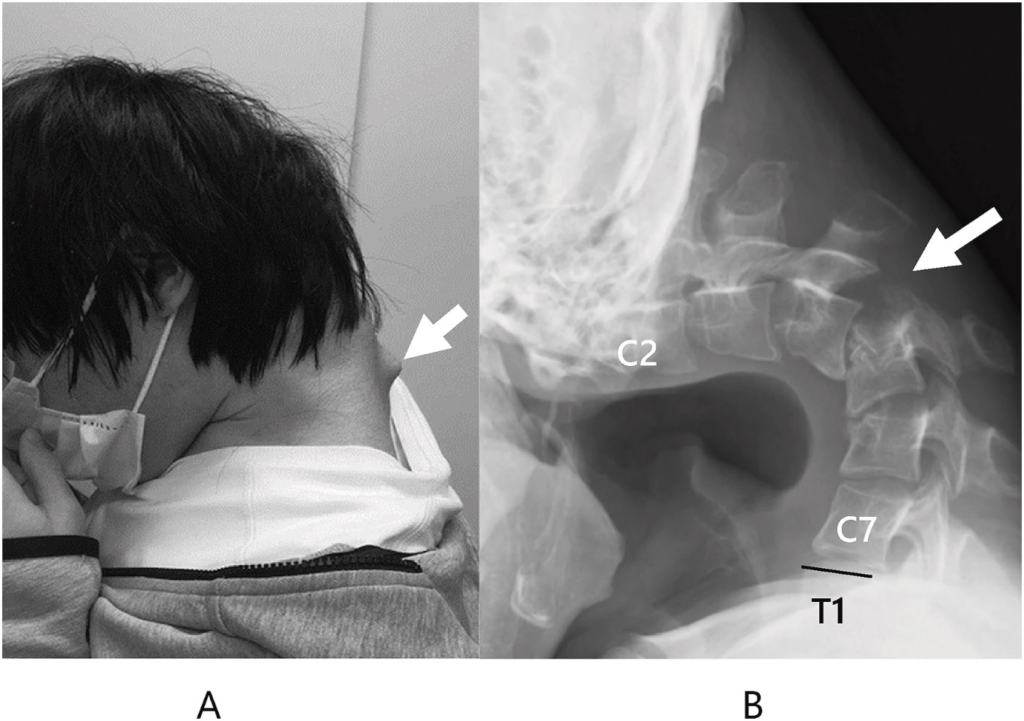
A recently reported medical case from Isfahan has brought renewed attention to a rare but serious condition known as Dropped Head Syndrome (DHS). The case involved a 23-year-old man who developed severe neck weakness, leading to a fixed forward position of the head and neck.
While DHS is uncommon—especially in younger individuals—this case highlights the importance of awareness, early diagnosis, and proactive care.
What Is Dropped Head Syndrome?
Dropped Head Syndrome is a condition where the muscles responsible for holding the head upright—called neck extensors—become significantly weakened. As a result, the head gradually tilts forward, sometimes to the point where the chin rests near the chest.
This can affect daily life in several ways, including difficulty maintaining posture, limited movement of the neck, discomfort or pain, and challenges with communication or even breathing in severe cases.
Because symptoms can develop slowly, DHS is sometimes mistaken for simple posture issues or fatigue.
Common Causes and Risk Factors
DHS is most often linked to underlying neuromuscular or neurological conditions. These may include:
- Myasthenia Gravis
- Amyotrophic Lateral Sclerosis
Continue reading on next page…