
- Parkinson’s Disease
- Multiple System Atrophy
- Polymyositis
In some cases, long-term physical strain, poor posture, or muscle fatigue may also contribute—especially when combined with other health factors.
In the reported case, doctors found no structural damage, suggesting the issue was rooted in muscular or neurological dysfunction.
Early Symptoms to Watch For
Recognizing early signs can make a significant difference in outcomes. Symptoms may include gradual forward tilting of the head, neck fatigue after short activity, difficulty lifting or turning the head, pain in the neck, shoulders, or upper back, and tingling or numbness in the arms.
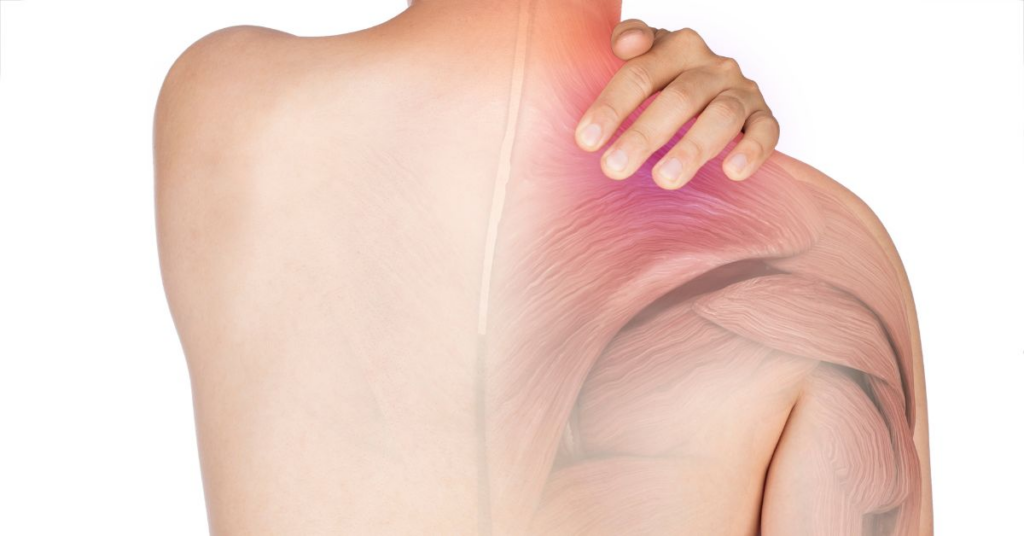
In young adults, these symptoms are often dismissed as screen fatigue or poor posture—but persistent changes should not be ignored.
How Doctors Diagnose DHS
Diagnosing Dropped Head Syndrome involves a combination of tests, including neurological evaluations, muscle strength assessments, imaging such as MRI or CT scans, and Electromyography (EMG).
These help determine whether the cause is muscular, neurological, or structural.
Treatment and Management Options
While there is no single cure for DHS, treatment focuses on improving function and quality of life. Common approaches include physical therapy to strengthen muscles, postural correction and supportive braces, pain management techniques, nutritional support, and occupational therapy for daily activities.
In more severe cases, surgical options may be considered, though early-stage care is usually non-invasive.

Why This Case Matters
Although DHS is more commonly seen in older adults, its appearance in a young individual highlights the need for better awareness among younger populations.
Lifestyle factors such as prolonged sitting, stress, and lack of movement can indirectly affect muscle health. This case serves as a reminder that physical and mental well-being are closely connected.
Practical Tips for Better Neck and Spine Health
Maintaining a healthy neck and spine doesn’t require drastic changes—small habits can make a big difference.
Improve your setup by keeping screens at eye level and sitting with proper back support. Move regularly by taking breaks every 30–45 minutes. Strengthen gently with light neck and shoulder exercises. Sleep smart by using a supportive pillow and avoiding awkward positions. Most importantly, listen to your body and seek medical advice if symptoms persist or worsen.
Final Thoughts
Dropped Head Syndrome may be rare, but it underscores how important muscle health, posture, and early care truly are. With the right awareness and timely action, many complications can be reduced or even prevented.
If you found this helpful, share it with someone who spends long hours at a desk—and follow along for more simple, practical health insights.